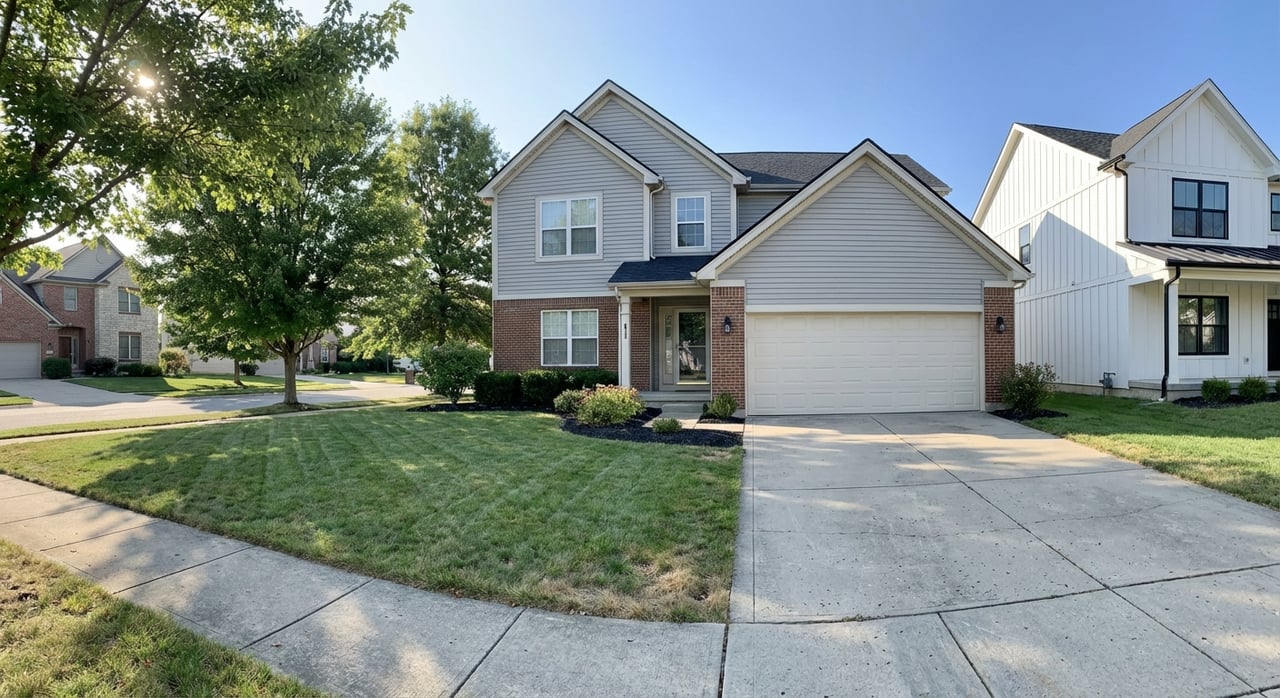
Thinking about selling your home in Fitchburg this year? You want a clear plan, realistic pricing, and a smooth path to closing. The good news: with focused prep and the right strategy, you can attract strong buyers and protect your timeline and bottom line. This guide walks you through today’s market, the Wisconsin steps and disclosures you must know, and the updates and staging that deliver the best return. Let’s dive in.
Fitchburg market snapshot 2026
As of February 2026, recent snapshots show Fitchburg’s median sale price in the mid $400Ks, around $474,000. Dane County reports continue to show steady demand and relatively low supply compared with many U.S. metros, which helps well-presented listings get attention. You can review county-level trends in the South Central Wisconsin MLS monthly reports for context on pricing and pace across the region, including winter 2025–26 data that trended in the mid $400Ks and moved faster than national averages in several months (RASCW market stats).
Days on market vary by price band, condition, and location. Homes that are move-in ready near major commute routes can draw quicker offers, while properties needing updates or priced above nearby comparables may take longer. In Fitchburg, some neighborhoods are assigned to different school districts by address, which can influence buyer pools and pricing; make sure your listing accurately reflects the assigned schools for your property (Fitchburg Chamber community overview).
Your selling timeline, step by step
Plan for these typical phases. Your actual timing depends on price, condition, season, and buyer financing.
- Pre-listing prep, valuation, repairs, staging, photos: 1 to 4 weeks.
- Active marketing to accepted offer: from a few days for competitively priced, turnkey homes to several weeks for others. Check current DOM in your exact price range.
- Contract to close: most financed sales take about 30 to 45 days from acceptance; cash deals can close faster if title is straightforward, often 7 to 14 days (mortgage and closing timelines explained).
A simple example: list prep 2 weeks → live on market 1 to 21 days → offer accepted → 30 to 45 days to close with a loan. Ask your agent for a current CMA and DOM snapshot specific to your address and price band.
Wisconsin disclosures and safety must-dos
- Real Estate Condition Report (RECR). Wisconsin requires sellers of 1–4 unit residential properties to deliver the statutory condition report. Complete it truthfully and on time. Late or missing delivery can give the buyer rights to rescind, so many sellers complete it before listing to avoid surprises (Wisconsin Chapter 709 overview).
- Lead-based paint disclosure. If your home was built before 1978, federal law requires you to provide the EPA/HUD lead disclosure and pamphlet and allow the buyer an inspection window unless waived in writing (EPA Title X guidance).
- Smoke and carbon-monoxide detectors. Wisconsin code requires working detectors in specified locations. Confirm they are installed correctly and functioning before listing to prevent last-minute issues (Wisconsin detector requirements).
- Other documents. If applicable, gather HOA or condo resale packets, well and septic records, floodplain information, appliance manuals, and receipts for recent work. Having these ready can speed underwriting and build buyer confidence.
Price it right with a local CMA
Pricing drives everything: showings, days on market, and your negotiating power. Ask your agent for a written comparative market analysis using recent closed sales in your neighborhood, with adjustments for square footage, lot size, year built, condition, and updates. Favor recent closed data over list prices.
Be precise about district assignment and neighborhood features, since those can expand or narrow your buyer pool in Fitchburg’s address-specific school map (Fitchburg Chamber overview). Your goal is a price that captures maximum attention in the first week, with a clear fallback plan if showings or feedback signal a pivot is needed.
Prep and staging that move the needle
Buyers in this area start online, which means your photos and presentation do the heavy lifting. Industry surveys show that clear listing descriptions, quality imagery, and smart staging improve click-throughs and showings. A professional marketing plan helps you compete from day one.
Prioritize these updates for the best near-term ROI:
- Curb appeal and entry refresh
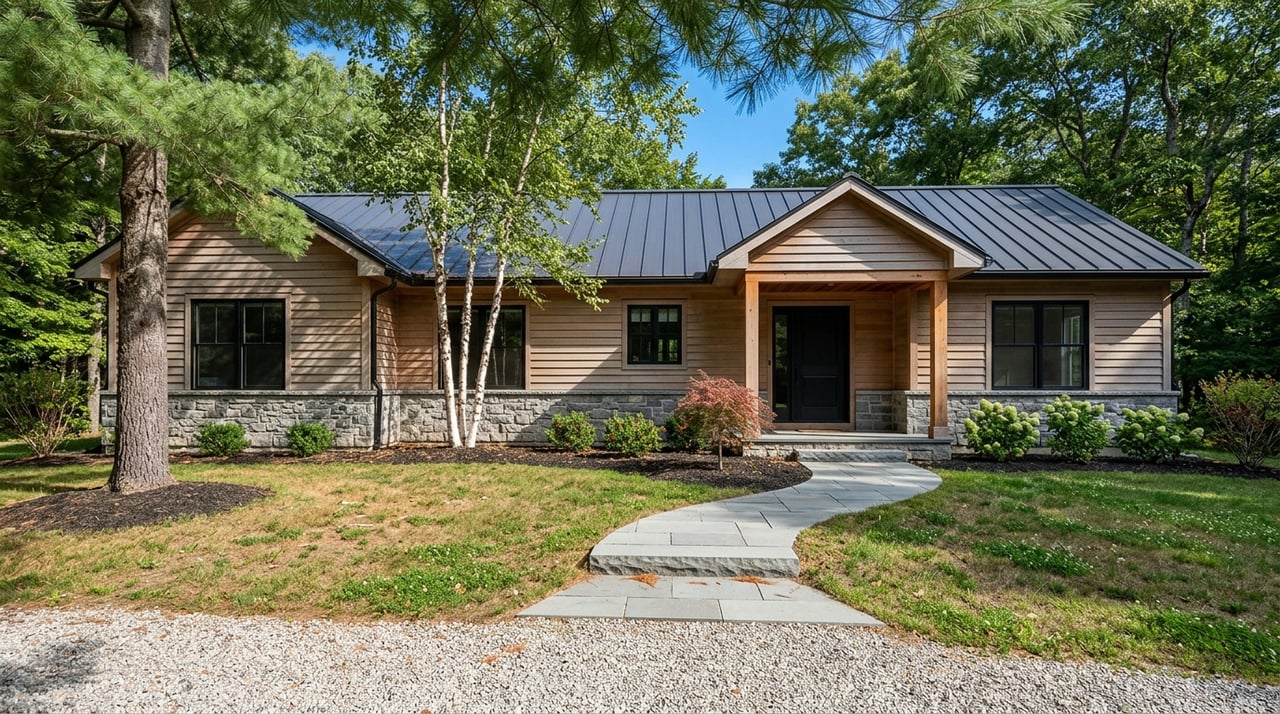
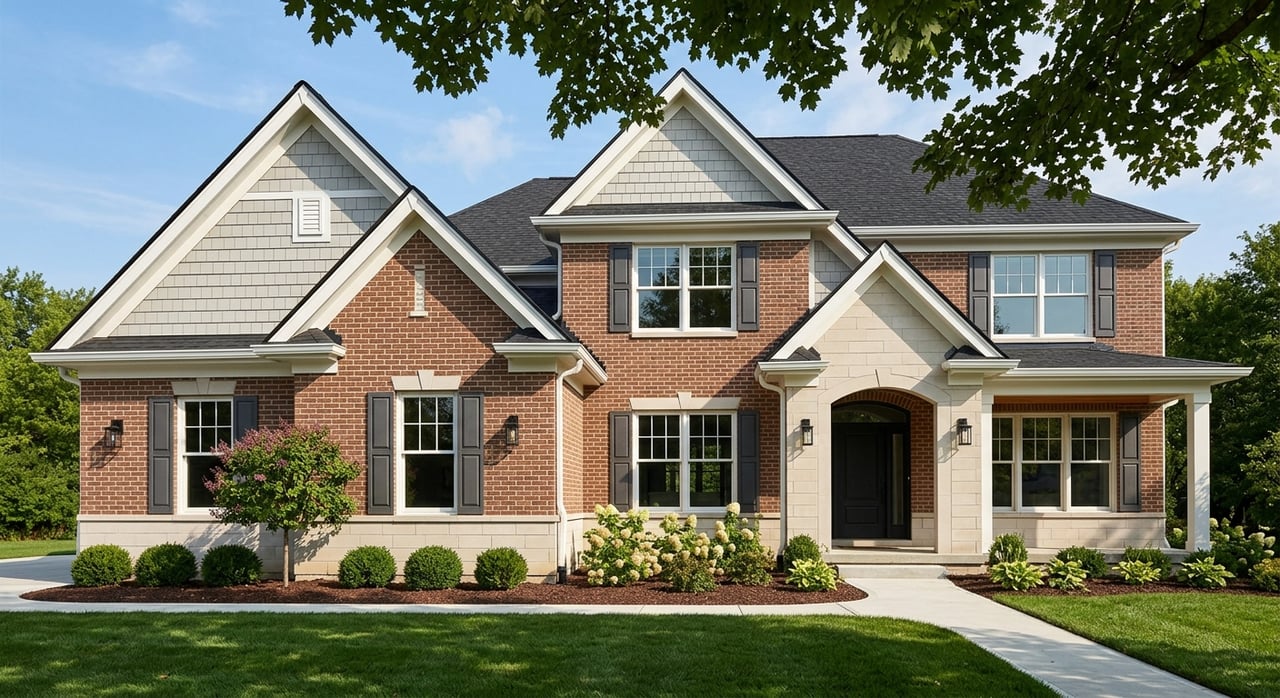
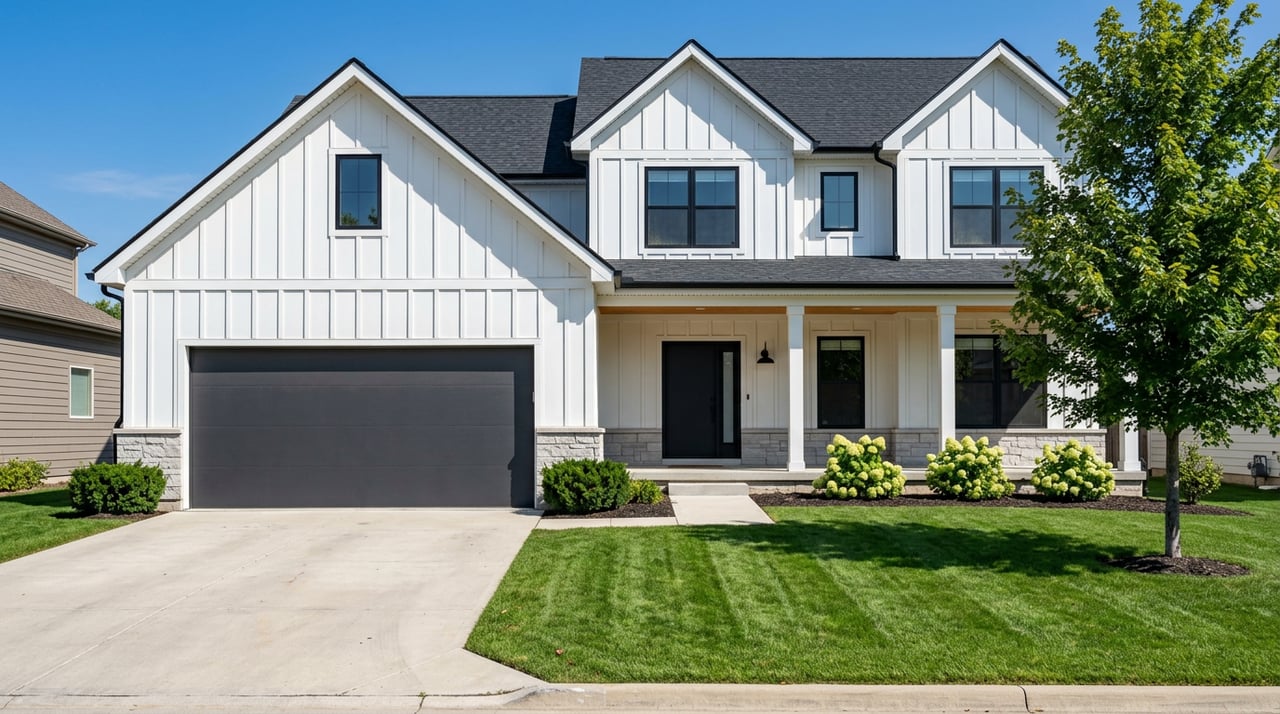
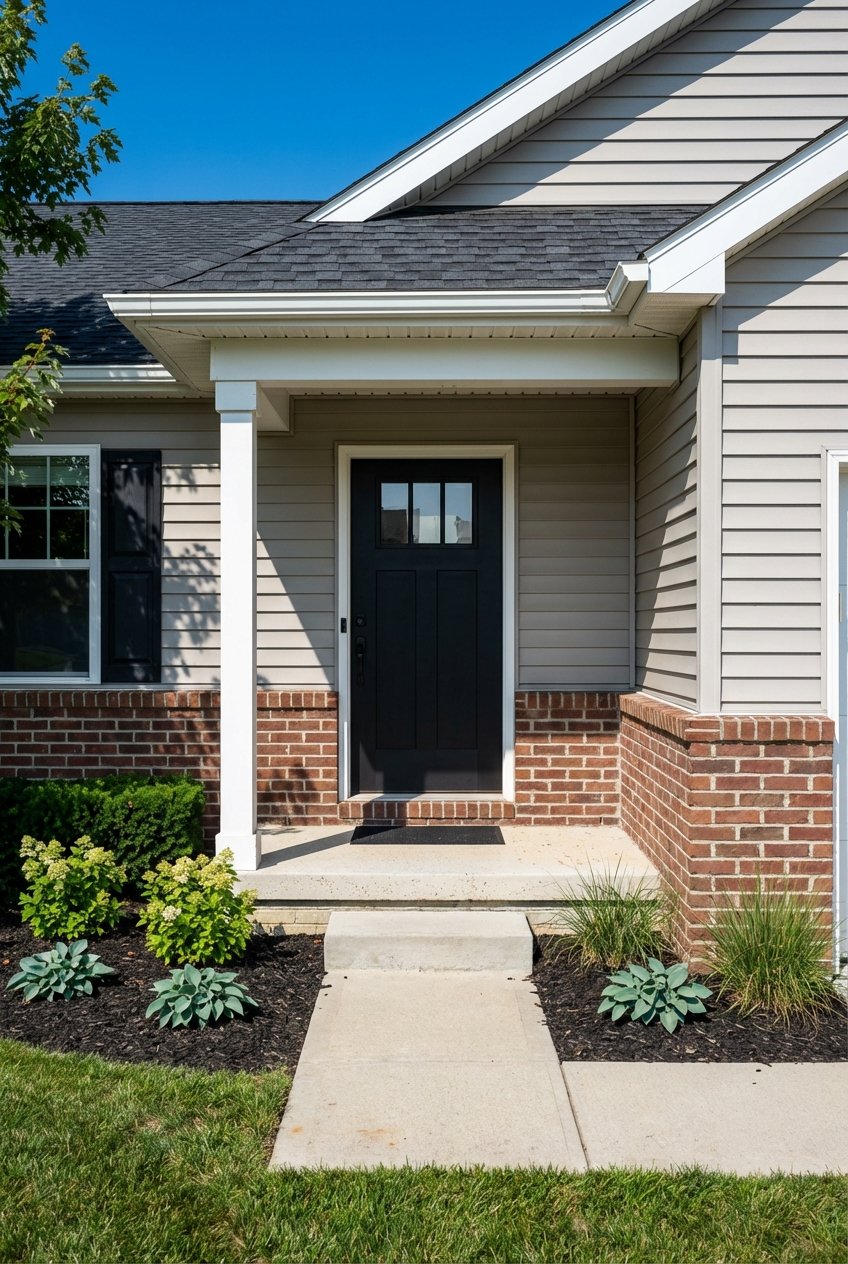
- Fresh mulch and edging, trimmed shrubs, a modern mailbox or house numbers, and a clean front door are fast wins. Recent Cost vs Value research continues to place exterior projects near the top for value recouped at resale, including garage door and steel entry door replacements (2025 Cost vs Value key trends).
- Minor kitchen refresh
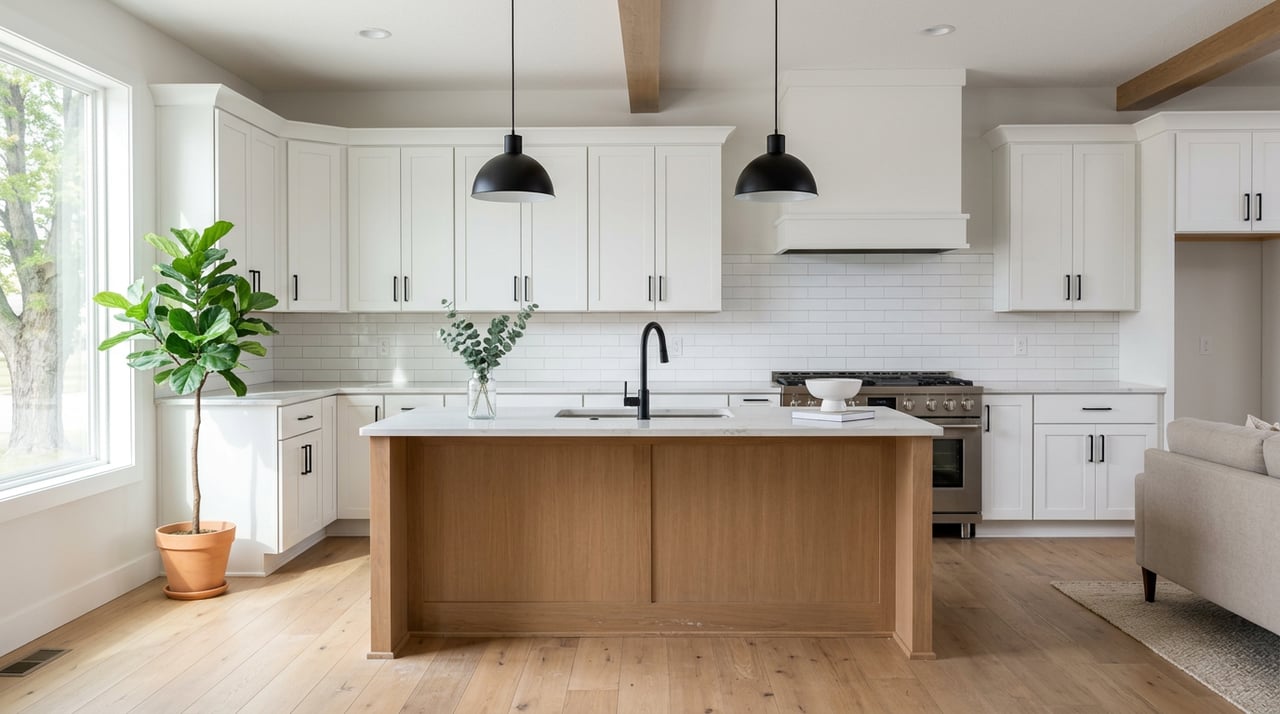
- Painted cabinets, new hardware, updated lighting, and refreshed counters can outperform full gut remodels on resale timelines. The Cost vs Value report highlights “minor kitchen remodel” as a consistently strong recoup project in many regions (Cost vs Value insights).
- Declutter, neutral paint, flooring repairs
- Staging basics reduce buyer hesitation. Industry data notes that staged homes often sell faster and can draw stronger offers, especially when key rooms are prioritized: living room, kitchen, and primary bedroom if budget is limited (staging statistics overview).
- High-visibility small investments
- Update lighting, cabinet pulls, faucets, and worn switches, deep clean grout, service HVAC, and tidy gutters and downspouts. Cost vs Value findings place several small, visible upgrades among the highest recouped items at resale.
What to spend on vs. what to skip
| Spend first on |
Why it helps |
Often skip or pause |
Why to rethink |
| Exterior refresh: entry door, garage door, landscaping tune-up |
Big first impression online and in person; strong value recoup signals |
Full exterior replacement if current materials are sound |
High cost and may not return in short hold periods |
| Minor kitchen refresh: paint, hardware, lighting |
Modern look without major spend; aligns with buyer expectations |
Full custom kitchen overhaul before listing |
Long timelines and higher costs that are harder to recoup |
| Neutral paint and flooring repairs |
Makes spaces feel larger and move-in ready in photos |
Over-personalized finishes or trendy features |
Can narrow appeal and add cost with limited payoff |
| Lighting and hardware updates |
Quick, budget-friendly boost to perceived quality |
High-end specialty fixtures throughout |
Costs climb fast; limited impact on valuation |
Reviewing offers with confidence
You will likely evaluate more than price. Look closely at these elements:
- Earnest money amount and deposit timing.
- Financing type and strength of pre-approval. Ask for a completed pre-approval letter and proof of funds for down payment and closing costs.
- Requested closing date and possession timing.
- Inspection, appraisal, financing, and other contingencies.
- Any seller credits, home warranty requests, or special conditions.
With financed offers, the appraisal typically happens within the first couple of weeks as part of the lender’s process, and a low appraisal can introduce renegotiation if there is a gap between value and contract price (loan and appraisal timeline basics). Local market conditions also influence customary concessions. Regional association reports are useful to gauge current norms for credits or competition levels (RASCW market context).
Plan your net. Commissions are negotiable, and combined fees often total about 5 to 6 percent in many markets. Ask your agent for a draft settlement statement that subtracts commissions, prorated taxes, mortgage and lien payoffs, and closing fees so you understand your net proceeds (agent fee overview). Title companies can also explain how cash-to-close math works from the buyer’s side, which helps you anticipate timing and documentation at settlement (cash to close explained).
What to ask when you hire your listing agent
- Can you show me 6 recent closed comps and 6 active listings in my neighborhood and explain your pricing adjustments in writing?
- What is your marketing plan and budget? Will you provide professional photos and listing video, social ads, agent-to-agent outreach, and open houses?
- What launch price will attract the largest buyer pool and why? What is the plan if we do not have a strong offer in the expected timeframe?
- Please provide a net proceeds worksheet with estimated closing costs, taxes, payoffs, and proposed commission so I know my bottom line.
- Can I speak with two recent Fitchburg sellers you represented?
- How long is the listing agreement, what are cancellation terms, and how will buyer-agent compensation be handled and disclosed?
Quick pre-list checklist
- Complete the Wisconsin RECR accurately and early; gather well/septic histories, HOA or condo packets, and any permits or receipts for recent work.
- Test and replace smoke and CO detectors as needed; service HVAC and clean gutters.
- Declutter, donate, and pre-pack. Touch up paint in high-traffic areas; replace burnt bulbs and fix loose hardware.
- Focus staging on the living room, kitchen, and primary bedroom; schedule professional photos and, if appropriate, video.
- Consider a pre-listing inspection if your home is older or you suspect hidden issues. Address easy fixes and decide on repair credits for anything larger.
A thoughtful plan, smart pricing, and elevated presentation will help you earn top dollar and keep your timeline predictable. If you want a tailored strategy for your address, connect with the local experts at Collective Real Estate Group to request your free home valuation and a step-by-step game plan.
FAQs
How is the Fitchburg market performing in early 2026?
- Recent snapshots place the city’s median sale price in the mid $400Ks as of February 2026, while county reports show steady demand and lean supply; ask for a current CMA and neighborhood-specific DOM.
How long does it take to sell a home in Fitchburg?
- Many competitively priced, move-in ready homes find buyers in days, while others take several weeks; once under contract, financed deals usually close in about 30 to 45 days and cash can be 7 to 14 days.
What disclosures do Wisconsin home sellers need to provide?
- Most sellers must deliver the state’s Real Estate Condition Report, plus federal lead disclosures for pre-1978 homes, and ensure required smoke and CO detectors are installed and working.
Which pre-list updates deliver the best ROI locally?
- Curb appeal improvements, minor kitchen refreshes, neutral paint, and small visible upgrades tend to pay off more than major remodels done solely for resale.
Do I have to pay the buyer’s agent in Wisconsin?
- There is no single rule on who pays; compensation is negotiable and disclosed per current practice, so discuss local norms and your options with your listing agent.
How do school district boundaries affect my sale in Fitchburg?
- School assignments are address specific and can influence buyer pools and pricing; confirm your home’s assigned district and include it accurately in your listing.