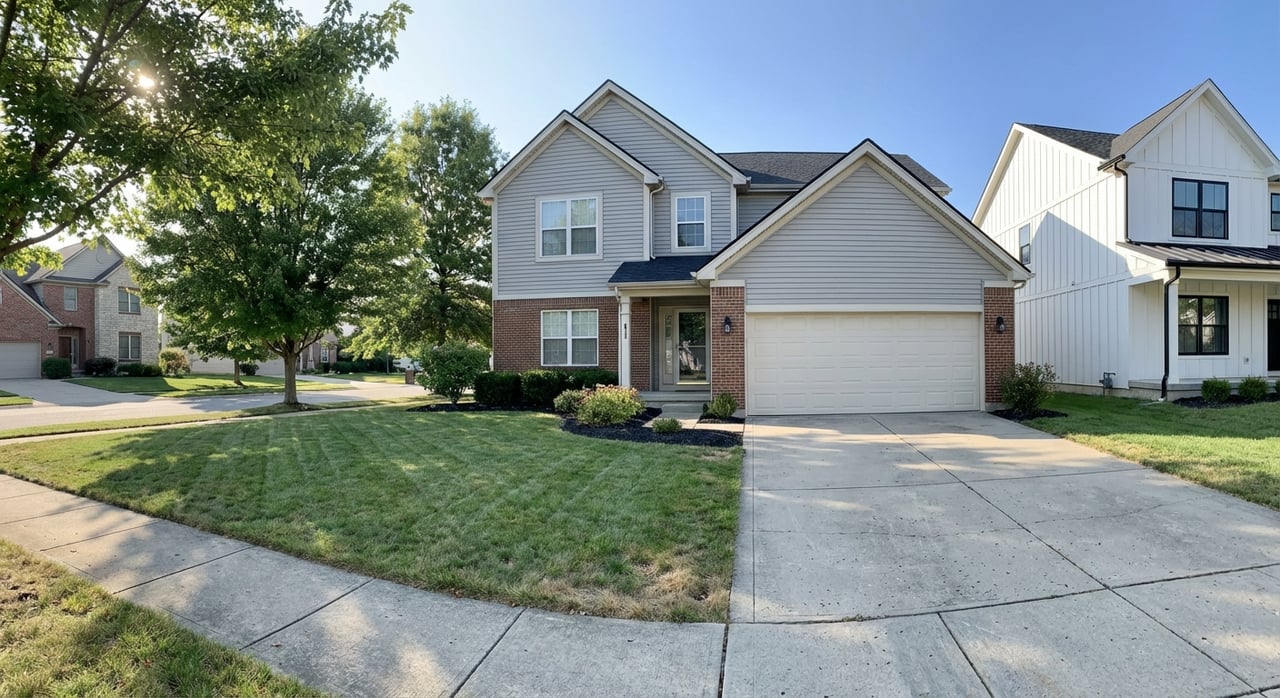
Comparing Madison’s West-Side Suburbs For Your Next Move
Trying to choose between Middleton, Verona, and Waunakee for your next move on Madison’s west side? You are not alone. Each suburb offers a different blend of commute, parks and trails, everyday amenities, and housing options. In this guide, you will compare the three using local data so you can feel clear about where to focus. Let’s dive in.
Use these at-a-glance numbers to get oriented. All baseline figures below come from U.S. Census QuickFacts and ACS 2020–2024 estimates.
Takeaway: Middleton is the largest and functions as a west-side hub for services and retail. Verona and Waunakee show higher median household incomes on a 5‑year ACS basis. Average commute times are all under 25 minutes at the resident level, with Waunakee trending slightly longer due to its location north of Madison.
Treat ACS mean travel times as a baseline rather than a door-to-door promise. In practice, many Verona neighborhoods are about 5 to 20 minutes from Epic, depending on your street. From central Middleton, downtown Madison or UW is often 15 to 25 minutes by car. Waunakee’s average is a bit longer on paper since it sits farther north, though many commutes still land near the 20-minute mark.
Epic Systems is the dominant employer in the Verona submarket, and buying in Verona can minimize your daily drive if you work on campus. You can see Epic’s campus address on its public contact page. On the west side of Madison, the University Research Park corridor anchors life science and tech jobs, which helps make Middleton and Far West Madison especially convenient for many professionals.
Madison Metro Transit runs fixed routes that serve the west side and the suburbs. Routes serving Middleton, including Route F, connect by bus or transfer to the Capitol Square and UW, with peak service options near the Research Park area. Waunakee’s fixed-route service is more limited, so residents often rely on driving or trail connections. For current schedules, check Madison Metro Transit.
Outdoor access is a major quality-of-life factor on the west side. Here are the anchors buyers ask about most.
Middleton’s signature feature is the Pheasant Branch Conservancy. You will find multi-use trails, springs, boardwalks, and wide views toward Madison. The nearby Pope Farm Conservancy adds more walking paths and community programming. Proximity to these spaces is a daily win if you like evening walks, stroller miles, or quick bike rides.
Verona sits on the 40-mile Military Ridge State Trail, which opens the door to long-distance rides and run routes. Badger Prairie County Park adds soccer fields, a dog park, and loops for mountain biking. The trail network makes it realistic to build fitness or commute by bike in warmer months.
The North Mendota Trail links Waunakee with Governor Nelson State Park on Lake Mendota. As more phases connect, you will see smoother links toward Middleton and lakeside county parks. For many households, this corridor is a deciding factor because it supports weekend rides and relaxed family outings by the water.
Middleton is a west-side retail and dining center. The open-air Greenway Station offers shops and restaurants, and the area hosts a regular seasonal farmers market. Downtown Middleton around Parmenter Street provides a compact, walkable core with local cafes, services, and events.
From most west-side neighborhoods, you are a short drive to additional big-box and mall retail on Madison’s far west side. This adds a layer of convenience for larger errands without crossing town.
You will find a range of ages, sizes, and styles across all three suburbs. Here is a quick, neutral read on what is typical.
For price context, it helps to pair a longer-term baseline with a current market snapshot:
What this means for you: Verona’s recent median reflects demand tied to job proximity and newer housing stock, while Waunakee’s longer-term ACS value skews higher due to its inventory mix. Middleton stays competitive with strong amenities and varied neighborhood options. Your final price will depend on neighborhood, age, size, and condition, so use these figures as context, not a quote.
Each community is served by its own public school district. Use the official district sites for current report cards, boundary maps, and program information.
If schools are a priority for you, focus your search within your preferred district boundaries and verify any address with the district’s official tools.
Use these questions to narrow your focus when touring.
Your best move is to test your daily rhythm. Drive your likely work route at commute time, walk a trail near your shortlist neighborhoods, and do a quick grocery run to see how it feels. Pair that with fresh, source-dated pricing in your exact target areas. When you are ready to talk neighborhoods, pricing strategy, and how to position your offer, reach out to the team at Collective Real Estate Group. We will help you compare options, tour with a plan, and move forward with confidence.
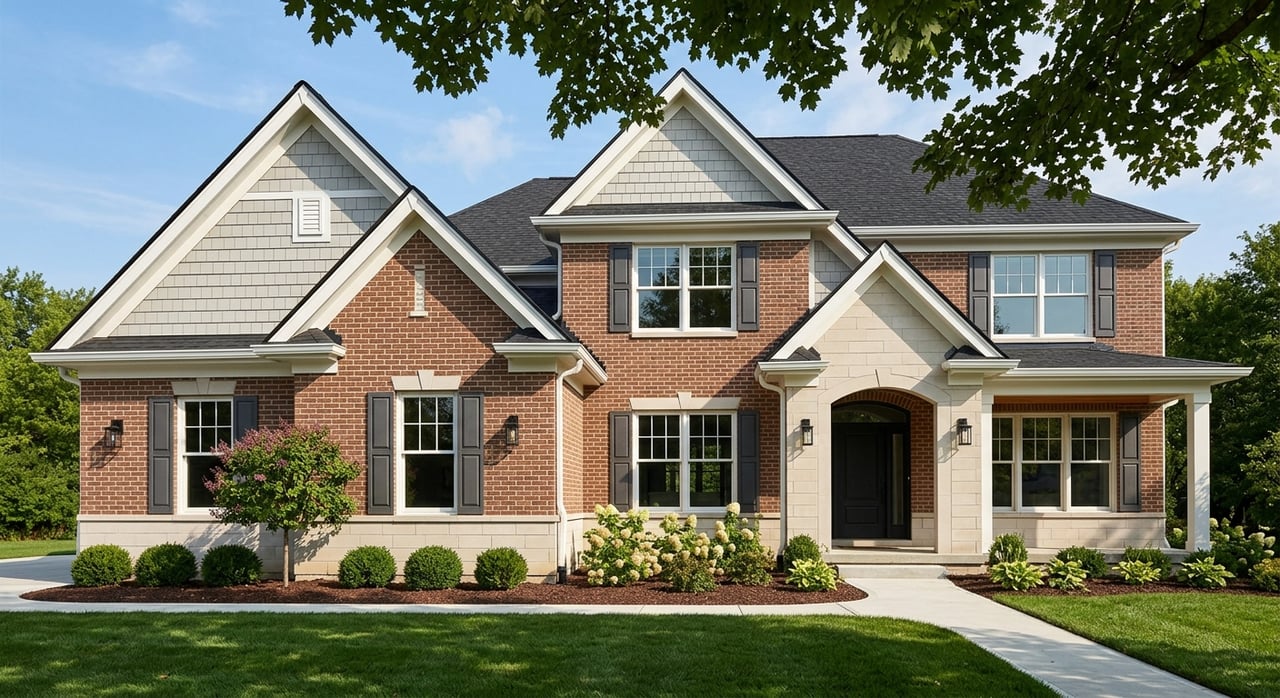
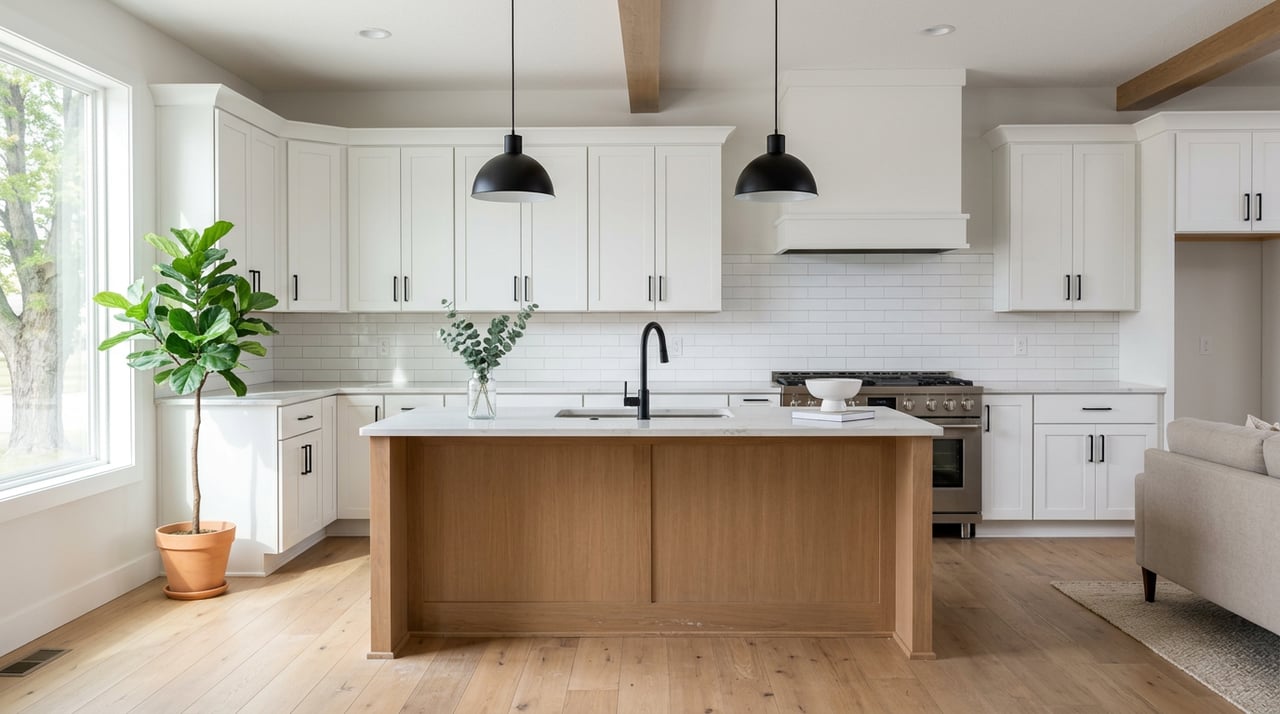
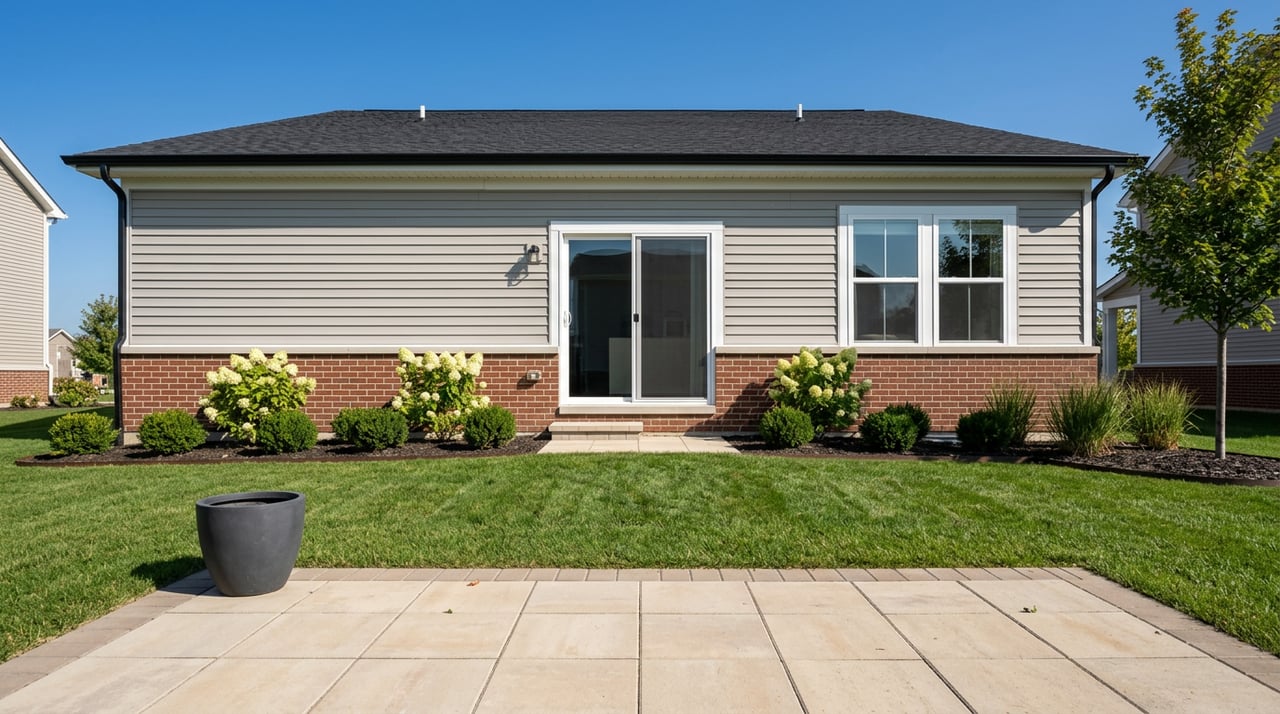
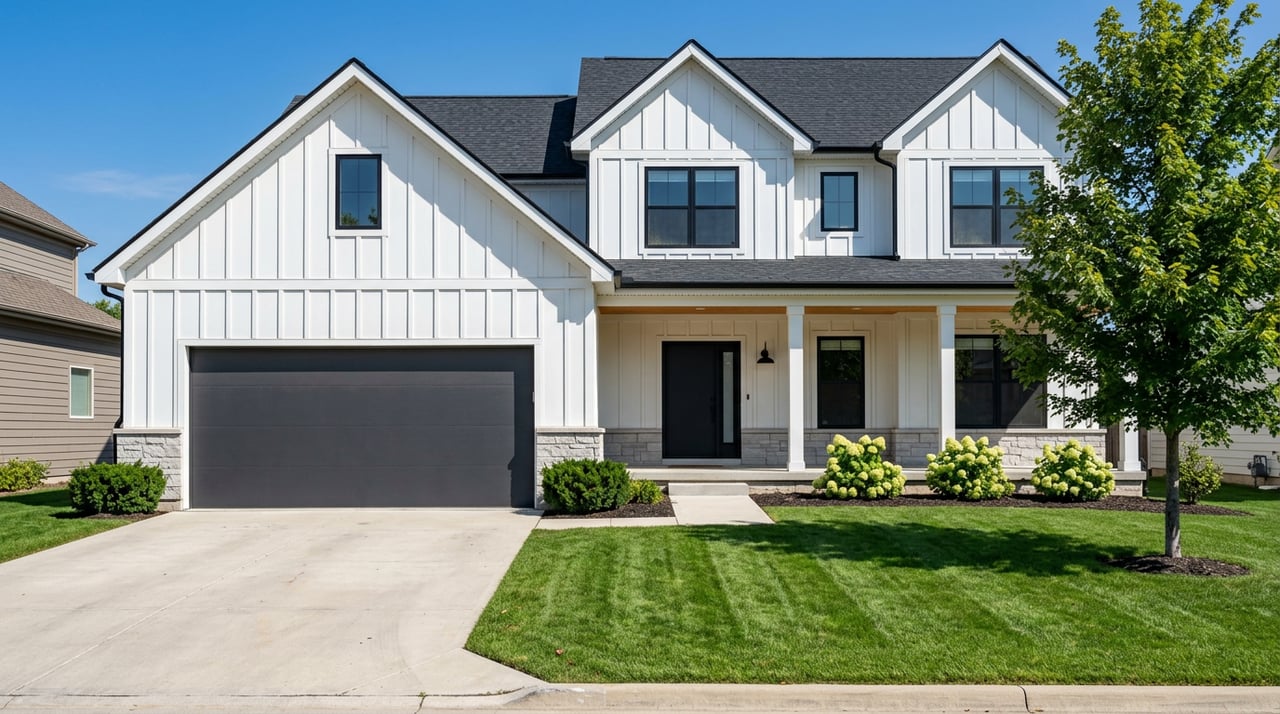
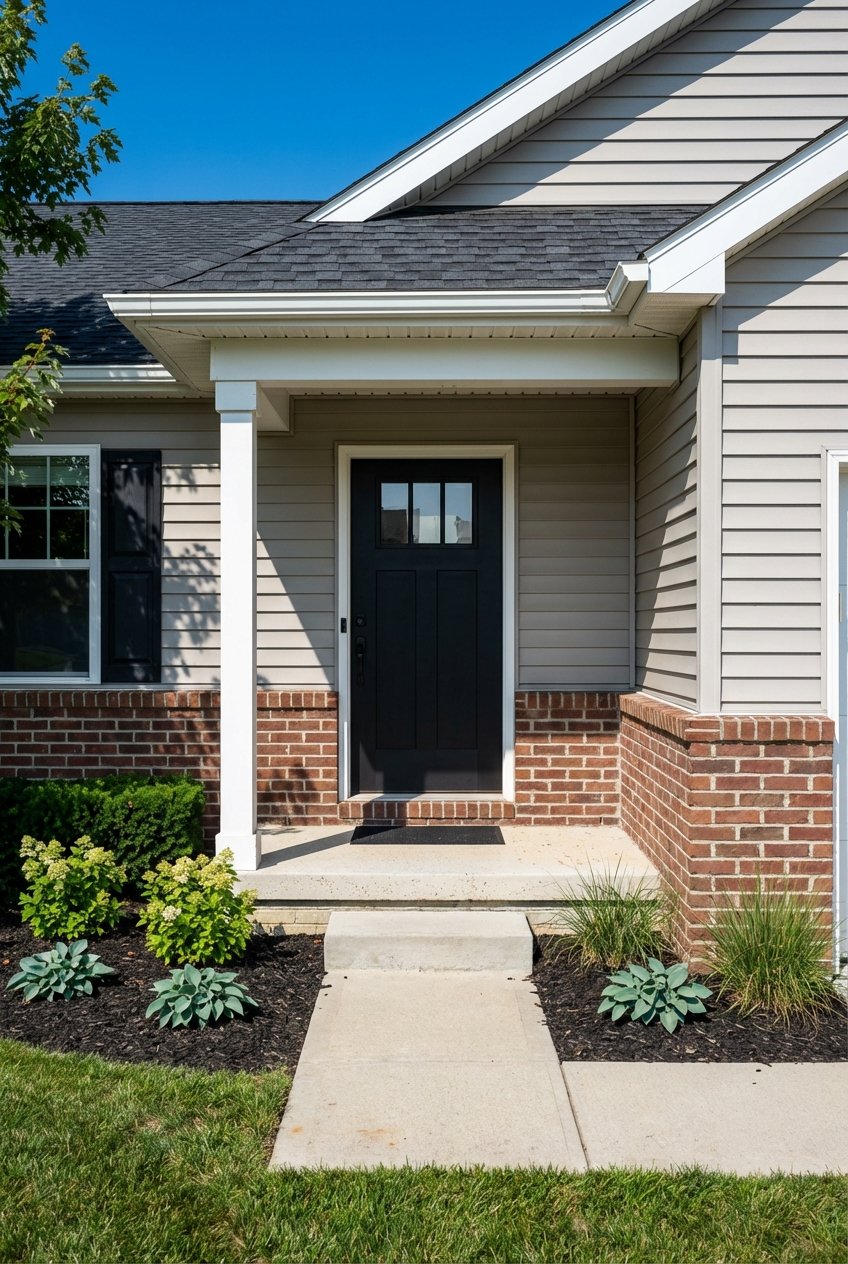
Whether it’s your very first or the one you’ve always dreamed of. We will work hard for you, listen carefully to your needs, and stay committed to finding the right home for you.
Middleton Office
6650 University Ave
Middleton WI 53562
Oregon Office
110 N Main St
Oregon WI 53575
Manitowish Waters Office
13008 Alder Lake Rd
Manitowish Waters WI 54545