Everyday Life In Sun Prairie And East Madison
Wondering how your day-to-day would feel in Sun Prairie versus Madison’s near-east side? You might be craving more space and parks, yet still want quick access to cafés, events, and the lakes. This local guide gives you a clear picture of everyday life, from parks and dining to commute options and housing costs, plus a simple plan to try both areas in one weekend. Let’s dive in.
Sun Prairie continues to grow. The 2020 Census counted 35,967 residents, and the July 1, 2024 estimate reached 39,253, reflecting steady growth since 2010. You can confirm both figures on the U.S. Census QuickFacts page for Sun Prairie. See the latest Census snapshot.
Commute expectations are manageable. The ACS 2020–2024 5-year estimate puts the mean travel time to work for Sun Prairie residents at 22.0 minutes. City materials also describe the drive to the University of Wisconsin–Madison as roughly 13 miles, about 26 minutes, which helps visualize a typical cross-town trip. Review the city’s commute reference.
For housing context, ACS 2020–2024 shows an owner-occupied rate of about 60.8%, a median value of owner-occupied homes of $365,700, and a median gross rent of $1,419. These figures offer a helpful baseline as you compare neighborhoods and property types. Check Sun Prairie’s ACS figures.
If you enjoy easy park access, Sun Prairie scores well. The city highlights about 32 neighborhood parks, 10 community parks, and 4 special-use areas, totaling more than 400 acres. You’ll find splash pads, athletic fields, and a family aquatic center, plus a skate area for teens and tweens. Browse the community guide’s parks overview.
Winter stays active too. Sheehan Park typically offers sledding and groomed cross-country ski trails when conditions allow, and the city runs multi-season programming. Before you go, check seasonal updates and facility status. See Sun Prairie’s winter recreation page.
On the near-east side, Olbrich Botanical Gardens and adjacent Olbrich Park on Lake Monona shape daily life for many residents. The gardens host seasonal conservatory displays and special events, while the park draws walkers, cyclists, and picnickers with broad lake views. If a quick nature break is part of your routine, this is a strong plus. Explore Olbrich Gardens and Park.
Daily errands are straightforward in Sun Prairie, with several grocery and big-box options throughout town. On weekends, many people head to historic downtown around Cannery Square and Main Street for the farmers’ market, small shops, and local food. Summer brings staple events, including the city’s mid-August Sweet Corn Festival and evening gatherings at Dream Park. Scan the city’s guide for markets and events.
If you love a walkable stretch of cafés and restaurants, Atwood Avenue delivers. It is known for neighborhood-scale dining, coffee, and small venues, along with AtwoodFest and pop-up events that energize the corridor. Nearby Willy Street adds even more options, creating an urban, close-to-home nightlife without crossing the isthmus. Get a feel for the Atwood vibe and look up current festival details when you plan. See AtwoodFest info.
For many Sun Prairie residents, weekday travel is simple. The ACS mean commute time is 22.0 minutes, and the drive to UW–Madison is often described as about 13 miles, roughly 26 minutes, in city materials. Drive times vary by time of day, so it helps to test your exact route during your typical AM and PM windows. Check the city’s commute detail and validate with your own test run.
Prefer to skip downtown parking? Sun Prairie has a park-and-ride at Reiner Rd and O’Keeffe Ave that is served by Madison Metro routes A, S, and W, per UW commuter resources. Schedules and routing can change, so review the latest timetables before you commit to a routine. Start with UW’s park-and-ride guide.
Central Madison sees more biking and walking commutes than outer suburbs. Regional planning work shows Sun Prairie is bike-friendly for recreation and local trips, while daily bike commutes concentrate closer to the isthmus. If you plan to bike to work, consider an east-side neighborhood; if you want paved paths for weekend rides, Sun Prairie’s trail network fits well. See the MPO’s biking context.
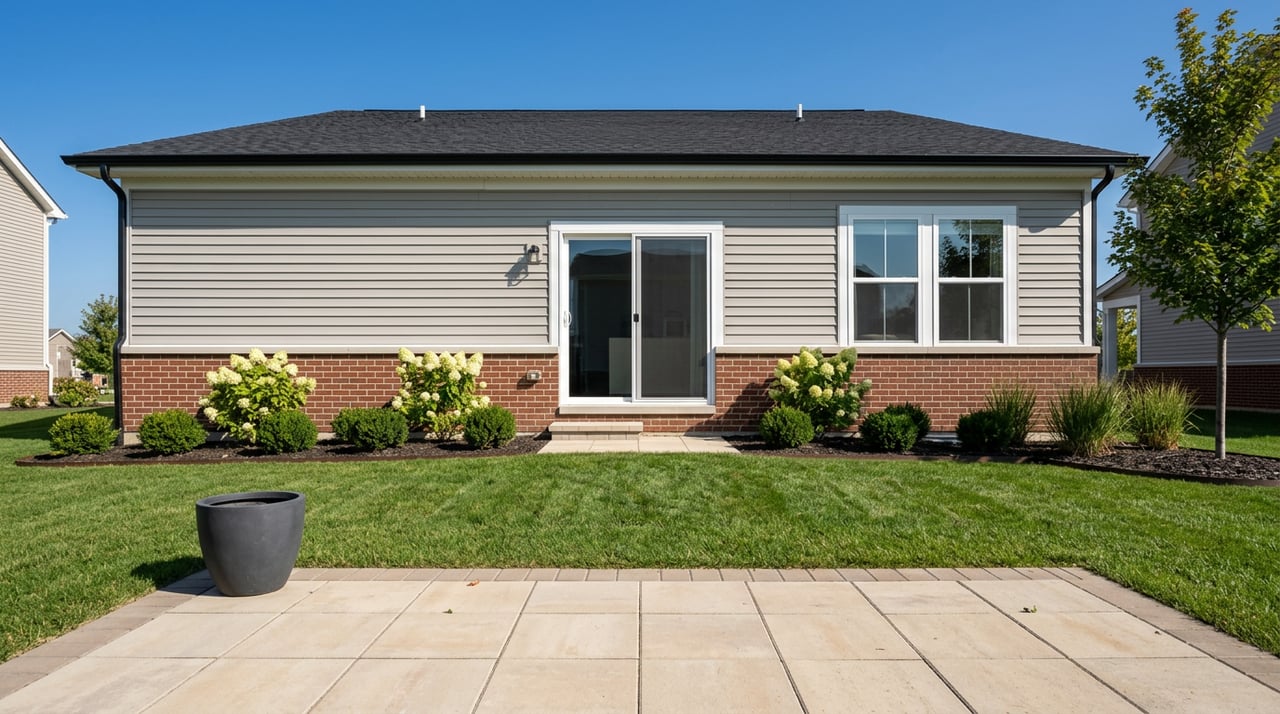
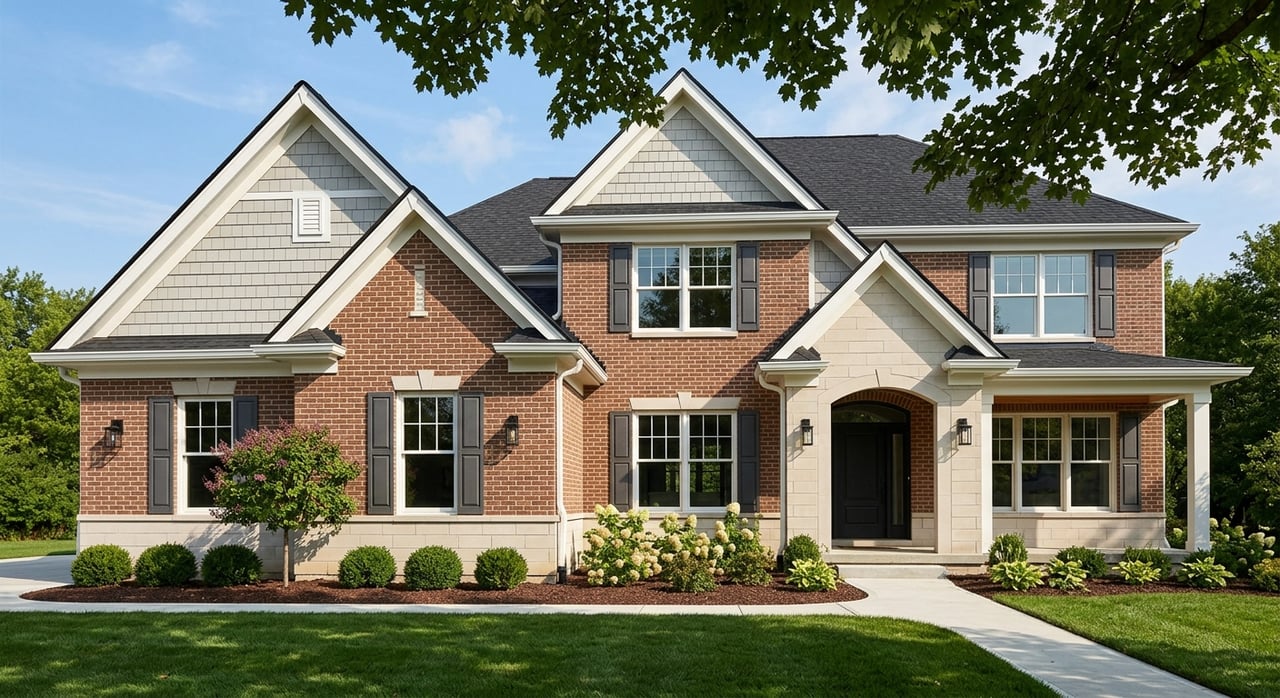
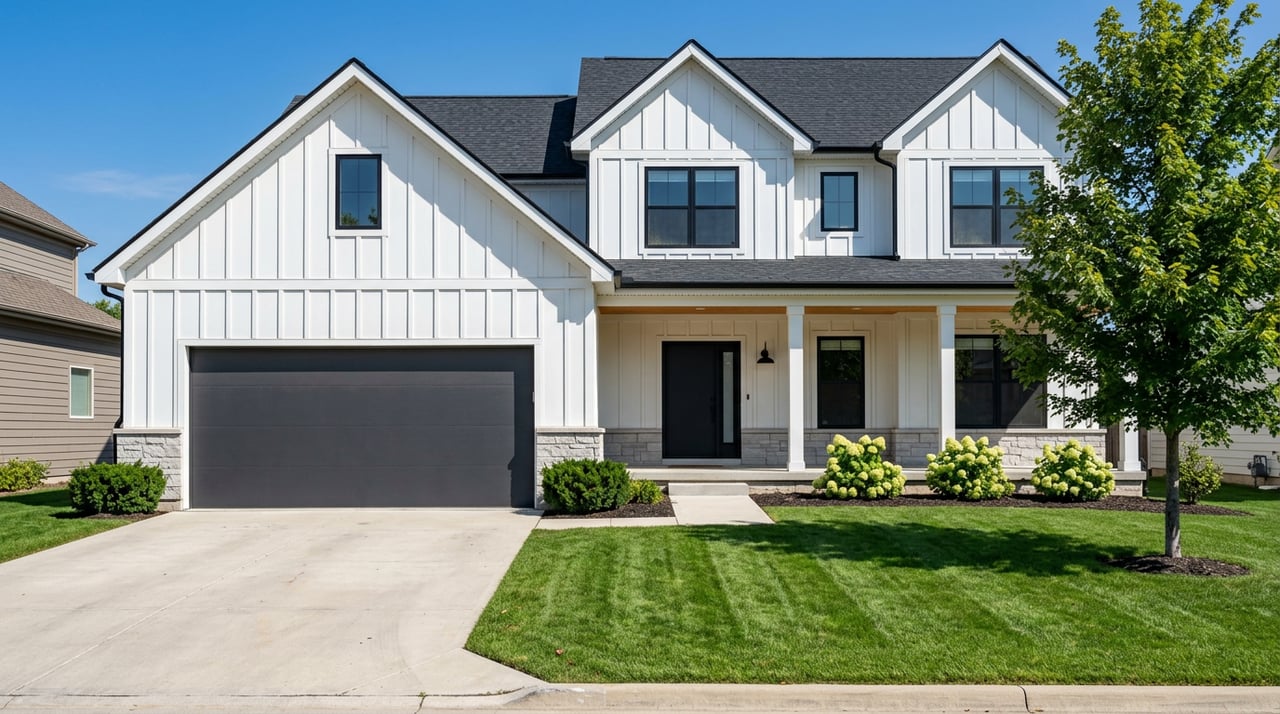
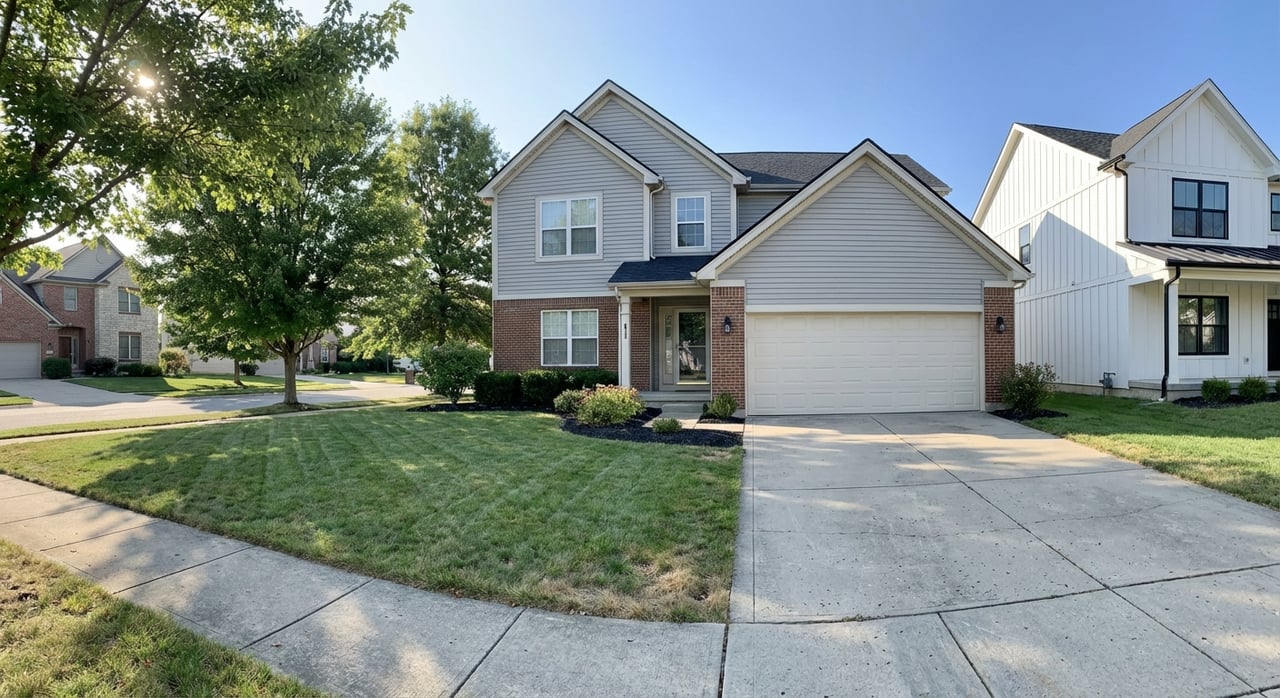
In Sun Prairie, you’ll find a mix: older bungalows and ranches near historic areas, plus many newer subdivisions with contemporary two-story and ranch homes. Some neighborhoods include townhome pockets and planned community amenities. On Madison’s near-east side, housing leans older and cozier, with mid-century bungalows, 1940s–1950s two-stories, and small multifamily buildings alongside newer infill. Preview styles in the community guide.
As of late 2025, many Sun Prairie single-family closings clustered roughly in the $350,000 to $550,000 range, with median sale figures in the low-to-mid $400,000s. Always confirm the latest snapshot before you decide, since markets move seasonally and with inventory. See SCWMLS year-end summaries.
For broader context, ACS 2020–2024 reports a median owner-occupied value of $365,700 in Sun Prairie and a median gross rent of $1,419. This baseline helps you compare renting versus buying as you map out budgets and timelines. Review ACS housing baselines.
If you prefer newer neighborhoods, an easy car commute, and lots of park space, Sun Prairie may fit your rhythm. If you want walkable coffee, dining, and lakefront hangouts, East Madison may match your lifestyle. Many people blend the two by living in Sun Prairie and playing on the east side, or by choosing the east side for short bike and bus trips to downtown. Try both routines, then decide which day-to-day you enjoy more.
Ready to compare homes that fit your lifestyle and budget? Reach out to Collective Real Estate Group for a personal tour plan, neighborhood guidance, and next steps that match your timeline.
Whether it’s your very first or the one you’ve always dreamed of. We will work hard for you, listen carefully to your needs, and stay committed to finding the right home for you.
Middleton Office
6650 University Ave
Middleton WI 53562
Oregon Office
110 N Main St
Oregon WI 53575
Manitowish Waters Office
13008 Alder Lake Rd
Manitowish Waters WI 54545