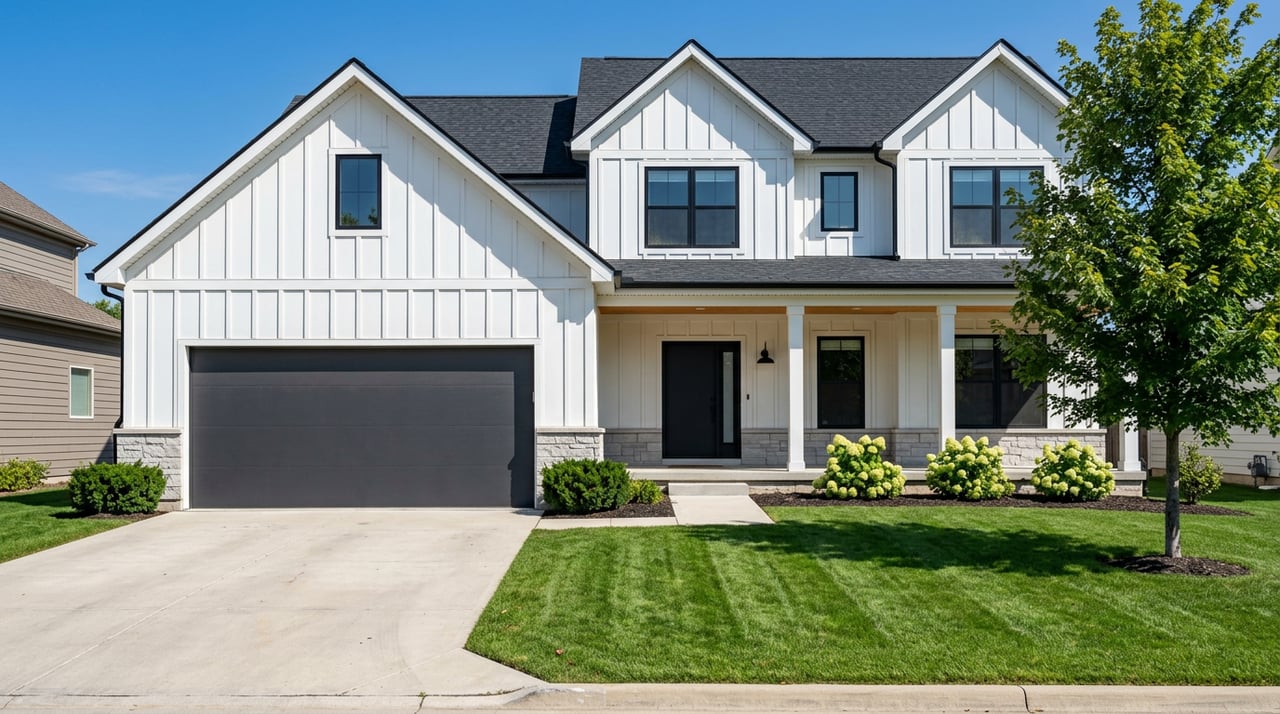
New Construction Or Existing Home In Waunakee?
Building new or buying an existing home in Waunakee is a big choice, especially if you’re moving with a timeline or juggling a growing family. You want the right fit on budget, timing, and lifestyle without surprises at closing or during construction. In this guide, you’ll get a clear look at timelines, costs and fees, lot and utility details, and what to expect with inspections and financing in Waunakee. Let’s dive in.
Waunakee sits above the Dane County average on home values, and major listing portals place local averages and medians roughly in the upper 500s to low 600s. Figures vary by source and neighborhood, so treat those as ballpark ranges when you compare new builds to resales.
Demand stays steady thanks to parks, trails, community amenities, and proximity to Madison. The Village documents ongoing platting and lot creation, which supports continued new-home activity. You can see an overview on the Village’s Housing Information page and planning materials for context on subdivisions and growth across 2024 and 2025. Check the Village’s summary for housing and permitting context on the Housing Information page.
If you choose new construction, timeline depends on the path you take. Quick-move-in or spec homes can be ready soon and may feel similar to buying a resale. A semi-custom plan often takes 6 to 12 months once construction starts. Fully custom work can take longer due to design and selections.
Before breaking ground, your builder submits permit applications, site and grading plans, and schedules inspections. Waunakee’s Inspection Department uses an online process and notes an initial permit review window of roughly 2 to 5 business days. That timing, plus seasonal weather, can influence your start date and completion.
Builders typically factor village fees and deposits into the lot and home price. The Village’s Housing Fee Report outlines items like building inspection fees charged by square foot, grading deposits, small occupancy-permit fees, and separate utility connection processes. Sewer connection charges in parts of the region are set by the Madison Metropolitan Sewerage District and commonly flow through developers.
Most builders sell a base plan with an options schedule. Quick-move-in homes have limited changes. Semi-custom builds allow you to choose finishes up to a selection deadline. Fully custom homes require a longer design phase and more decisions. Keep in mind that upgrades like kitchen packages, flooring, or trim can raise the final price, and late change orders usually cost more.
New homes commonly come with a warranty pattern often described as 1-2-10 coverage: about one year for workmanship, two years for systems, and up to ten years for structural. Municipal inspections and a final Certificate of Occupancy are separate from your builder’s warranty. It is smart to confirm warranty language in writing and plan for a thorough final walk-through.
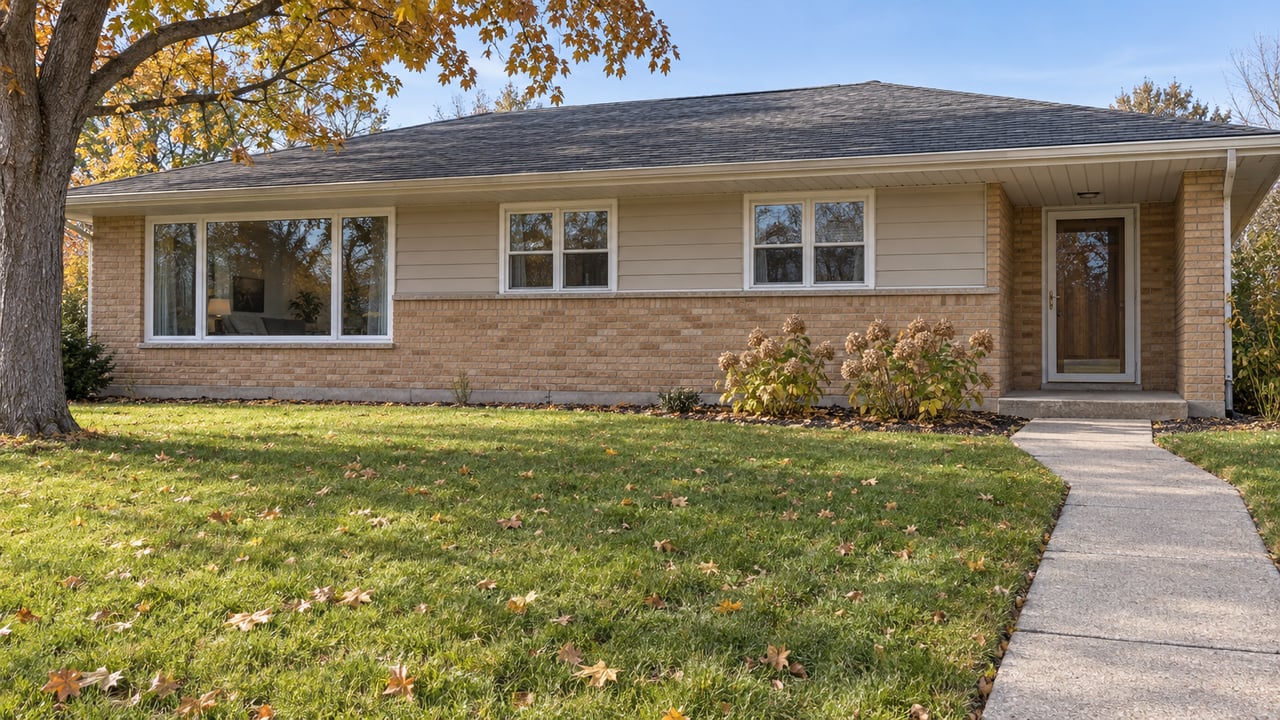
Buying a resale often means a faster closing, commonly in 30 to 60 days. You gain mature landscaping and an established neighborhood setting. In some segments, resales can be priced below the cost to build new, which helps your upfront budget.
Older homes can come with near-term needs like roofing, HVAC, water heaters, or sewer lateral work. Budget for an independent pre-purchase inspection and set aside funds for immediate or first-year fixes. Inspectors also recommend independent progress and final inspections on new builds, since “new” does not always mean issue-free.
New construction often carries a higher list price but may balance out with lower first-year maintenance, newer systems, and improved energy performance. Resales may offer a lower initial price with potential for early updates or repairs. When you compare options, look at the full picture: purchase price, anticipated upgrades, HOA dues, utilities, maintenance, and any builder incentives that affect monthly payment.
For property taxes, what you pay is based on assessed value and local mill rates. New homes may have higher initial assessments because they are new, but your final taxes depend on village, county, and school levies. The Village maintains current tax and mill-rate information so you can review how bills are calculated.
Recent Waunakee communities offer a range of lot sizes and layouts. In neighborhoods such as Kilkenny Farms West and nearby planned areas, you’ll find typical subdivision lots around 0.2 to 0.5 acres, along with larger estate options in certain communities. Lot topography and orientation can affect foundation and grading costs, so it pays to review site specifics early.
Most village subdivisions connect to municipal water and sewer, and related infrastructure costs are usually accounted for in lot and home pricing. In areas outside service boundaries, rural parcels may require private onsite wastewater systems. That adds soil testing, permitting, and timeline steps, so confirm sewer availability early in your search.
New developments must meet stormwater and erosion control requirements. The Village posts current development activity and erosion-control expectations so you can understand what applies in a given subdivision. Ask your builder for subdivision disclosures that summarize these obligations.
Many newer subdivisions include homeowner associations that maintain shared amenities. HOA dues vary and should be factored into your monthly budget. Compare those dues to your expected maintenance on an older home to understand total cost of ownership across both paths.
A resale or a finished quick-move-in home typically uses a standard mortgage with a regular closing timeline. Building on a lot often means a construction loan or a construction-to-permanent loan. With a construction loan, funds are released in draws tied to milestones, and you may make interest-only payments during the build. Some lenders offer a single-close option that converts to a traditional mortgage at completion, which can simplify your paperwork.
Municipal inspections check for code compliance, but they do not replace your own inspector. For resales, schedule a full pre-purchase inspection. For new construction, consider progress inspections at key stages like foundation, framing and rough-ins, exterior envelope and roofing, followed by a detailed final walk-through. This approach helps you catch issues early and document warranty items.
A Waunakee-focused agent adds value in practical ways when you weigh new vs. existing:
Choose new construction if you want:
Choose an existing home if you want:
Ready to compare specific lots, builders, and resales side by side? Reach out to the team at Collective Real Estate Group for a local, consultative conversation tailored to your timing and budget.

Whether it’s your very first or the one you’ve always dreamed of. We will work hard for you, listen carefully to your needs, and stay committed to finding the right home for you.

Middleton Office
6650 University Ave
Middleton WI 53562
Oregon Office
110 N Main St
Oregon WI 53575
Manitowish Waters Office
13008 Alder Lake Rd
Manitowish Waters WI 54545