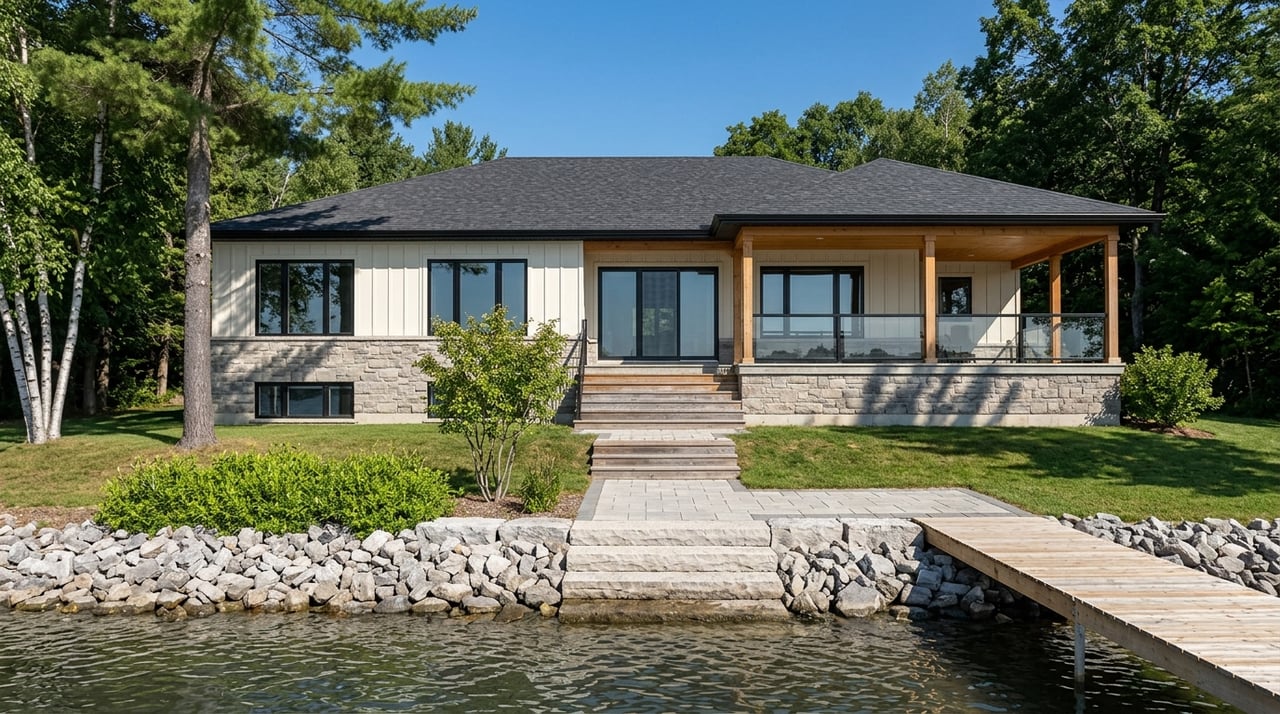
Buying A Waterfront Home On Lake Wisconsin
Dreaming about coffee on the dock, sunset boat rides, and a place that feels like an escape? Buying a waterfront home on Lake Wisconsin can absolutely deliver that lifestyle, but it also comes with rules, maintenance, and property-specific details that matter more here than they might on an inland neighborhood lot. If you are thinking about buying on Lake Wisconsin, this guide will help you understand how the lake works, what to look for before you make an offer, and how to plan for ownership with confidence. Let’s dive in.
Lake Wisconsin is not a small, quiet inland lake. According to the Wisconsin DNR, it is a 9,000-acre drainage impoundment of the Wisconsin River with about 58.2 miles of shoreline and a maximum depth of 24 feet. It was created in 1915 after the Prairie du Sac Dam was completed, which shapes how the lake looks, feels, and functions today.
That matters because your waterfront experience here may be different from what you picture when you hear the word “lakefront.” The DNR notes that Lake Wisconsin is highly accessible to the public, includes about 16 public boat landings, and is popular for fishing and recreation. In simple terms, this is a large, active body of water with a more public-facing, working-river feel than a secluded clear-water lake.
Before you fall in love with a view, it helps to think through your actual lifestyle. The Wisconsin DNR recommends starting with questions about how often you will use the property, which activities matter most to you, and how comfortable you are with shoreline rules and shared use of the water. That is especially smart on Lake Wisconsin, where conditions and regulations can shape day-to-day enjoyment.
Some shorelines may be better for boating access, while others may be less ideal for swimming or a sandy beach setup. The DNR describes shallow bays with muck bottoms and more aquatic vegetation, while the main basin tends to have sand, gravel, and rock. Because the lake receives runoff from a large watershed, the water is often stained or turbid, and summer or early-fall algal blooms are common, according to the Lake Wisconsin fisheries and lake survey report.
If you want a polished swimming cove with clear water all season, you should evaluate each parcel carefully. If your top priorities are boating, fishing, entertaining, or enjoying broad water views, Lake Wisconsin may be a strong fit. The key is making sure the property matches the lifestyle you actually want.
One of the most important things to know is that Lake Wisconsin spans Columbia and Sauk counties. That means two homes on the same lake can fall under different local ordinances, permit processes, and zoning interpretations.
Before you assume what is allowed, verify which county governs the parcel. The DNR’s shoreland zoning program guidance explains the statewide framework, but county-level rules still matter. If you are buying on the Columbia County side, you should also review the county’s shoreland permit brochure.
Waterfront buyers often focus on what they want to add: a bigger deck, expanded windows, stairs to the water, or a future guest space. On shoreland property, those ideas need to be checked against local and state rules before you count on them.
Wisconsin shoreland standards generally extend 1,000 feet from the ordinary high-water mark of lakes. The DNR states that statewide minimums include a 75-foot structure setback, a 35-foot restricted vegetation zone, and minimum lot sizes of 10,000 square feet on sewer and 20,000 square feet on private septic. Columbia County repeats the 75-foot setback and notes that some projects may require a vegetative buffer plan and recorded affidavit.
This is why due diligence on waterfront property is so different from a standard home search. A lot may look spacious, but the buildable and alterable area can be much smaller than you expect once setbacks, slope, vegetation, and septic requirements are factored in.
If your waterfront vision includes a pier, boat lift, or multiple watercraft, you need to confirm what the parcel allows. The Wisconsin DNR says that for non-commercial properties, up to two boat slips are allowed for the first 50 feet of shoreline, with one additional slip for each additional full 50 feet of shoreline. The same formula applies to personal watercraft.
Not every pier or shoreline project is automatically exempt. The DNR explains that new piers that do not meet exemption criteria may require a permit, and work below the ordinary high-water mark, such as fill, riprap, dredging, or adding beach materials, can also trigger review. You can learn more through the DNR’s waterways recreation guidance and permit FAQs.
If a seller says, “You can just add a beach,” treat that as a question, not a fact. Hand cleanup of nuisance material is often treated differently from mechanized work, and sand fill below the ordinary high-water mark is generally not allowed.
On some Lake Wisconsin properties, getting to the water is easy. On others, the slope is part of the challenge and part of the appeal. If a bluff, hillside, or steep grade is involved, water access may require more planning than you expect.
Columbia County says walkways, stairs, or lifts may be allowed when slopes are greater than 12% or when the zoning administrator considers them necessary, but they must stay within the access and viewing corridor and cannot exceed 60 inches in width. That means a lot with great views may still come with meaningful limits on how access can be improved.
When you tour waterfront homes, pay attention to more than the dock. Look at the grade, erosion signs, path condition, and how practical the walk to the shoreline will feel for your everyday use.
Owning on Lake Wisconsin is not just about summer. Water levels can change, and seasonal prep is part of the ownership experience. The DNR notes that on waters with dams or other water-control structures, temporary water level changes may occur, and permanent changes require approval.
Lower water can expose shoreline areas that still fall under regulation, so beach grooming or vegetation work may require permits even when the lakebed is exposed. High water can contribute to erosion and create problems for septic systems and wells, according to the DNR’s lake FAQ guidance.
Winter brings another layer of planning. The DNR recommends removing docks, piers, and similar structures before ice forms because ice can dislodge them. For many buyers, that means budgeting for seasonal dock removal, hoist storage, and winterization from day one. The DNR’s ice damage guidance is a helpful reference.
A waterfront lot does not always look as tidy as a suburban backyard, and that is not necessarily a bad thing. The DNR explains that native aquatic plants help stabilize soft bottoms, reduce erosion, and support water quality.
That matters on Lake Wisconsin, where nearshore conditions can vary a lot from one parcel to the next. Boat wake can temporarily reduce water clarity and can damage plants and banks near shore. If you are hoping to clear vegetation, use chemicals, or reshape the shoreline, make sure you understand what is allowed before closing.
If the home is served by a private well and septic system, do not leave those items for the end of the transaction. Columbia County says private-well owners are responsible for testing and recommends testing for bacteria and nitrate at least yearly, plus arsenic and lead every five years. The county’s well water guidance outlines those recommendations.
The DNR also notes that Wisconsin law does not require a well inspection or testing at transfer, even though many buyers and lenders choose to get one. Any inspection should be handled by a licensed well driller or pump installer.
For septic systems, Columbia County’s POWTS maintenance brochure says tanks must be visually inspected and pumped within three years of installation or program inclusion and at least every three years after that. Routine service may cost a couple hundred dollars every three years, while replacement of a failing system can cost thousands.
Not every waterfront parcel carries the same flood risk. That is why floodplain review should happen early, not after inspections are complete.
FEMA states that homes in a Special Flood Hazard Area with mortgages from government-backed lenders are generally required to carry flood insurance. FEMA also encourages buyers and owners to review flood maps and consult local floodplain administrators before making changes. You can start with FEMA’s flood insurance information.
For a Lake Wisconsin purchase, make sure you verify the exact parcel, lender requirements, and any insurance implications tied to the home’s elevation and location. Waterfront assumptions are expensive when they turn out to be wrong.
When you are serious about buying a waterfront home on Lake Wisconsin, a strong due diligence plan can save you time, money, and frustration. Here are some of the most important items to confirm before closing:
The DNR’s shoreland resources emphasize contacting the relevant zoning authority and the DNR before construction or shoreline changes. On Lake Wisconsin, that parcel-specific review is not overkill. It is part of buying wisely.
Buying waterfront property is exciting, but it also asks more of you as a buyer. You are not just evaluating bedrooms, finishes, and square footage. You are evaluating shoreline conditions, regulation, access, maintenance, and long-term usability.
That is where a consultative approach really matters. When you have local guidance, you can ask better questions, compare properties more clearly, and move forward with a full picture of both the lifestyle and the responsibility that come with waterfront ownership.
If you are considering a waterfront purchase on Lake Wisconsin, Collective Real Estate Group can help you navigate the details, understand the tradeoffs, and find a property that fits the way you want to live.
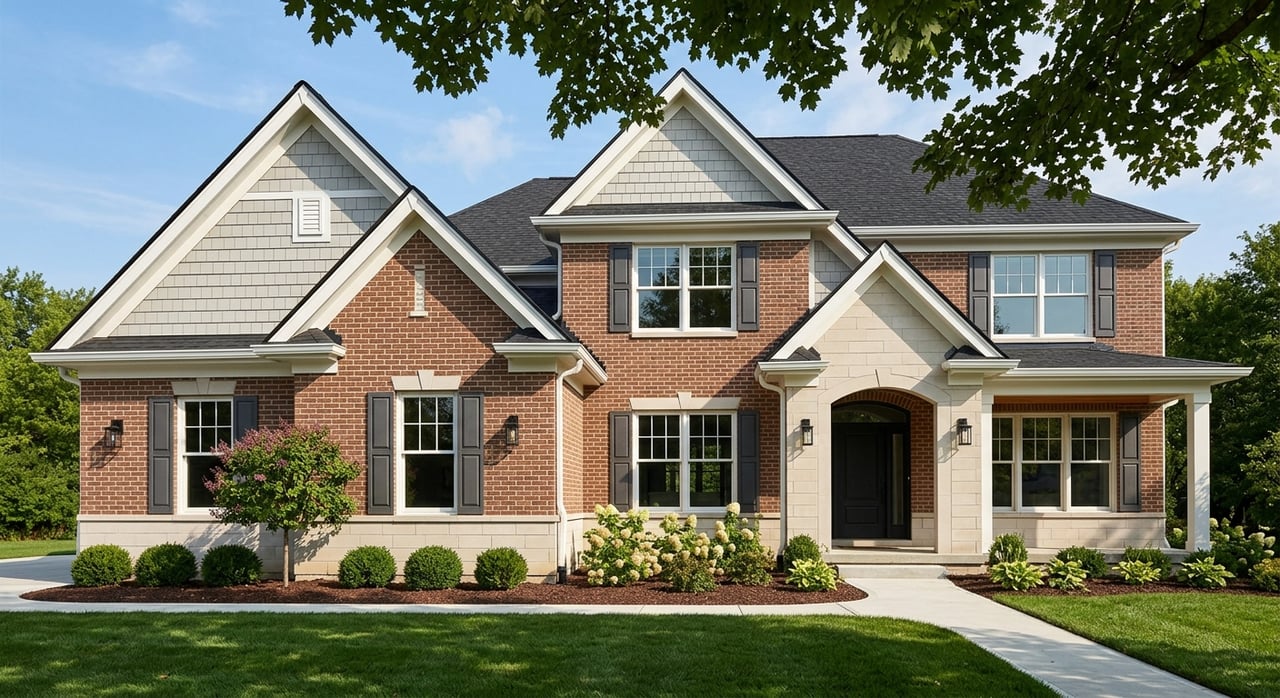
Whether it’s your very first or the one you’ve always dreamed of. We will work hard for you, listen carefully to your needs, and stay committed to finding the right home for you.
Middleton Office
6650 University Ave
Middleton WI 53562
Oregon Office
110 N Main St
Oregon WI 53575
Manitowish Waters Office
13008 Alder Lake Rd
Manitowish Waters WI 54545