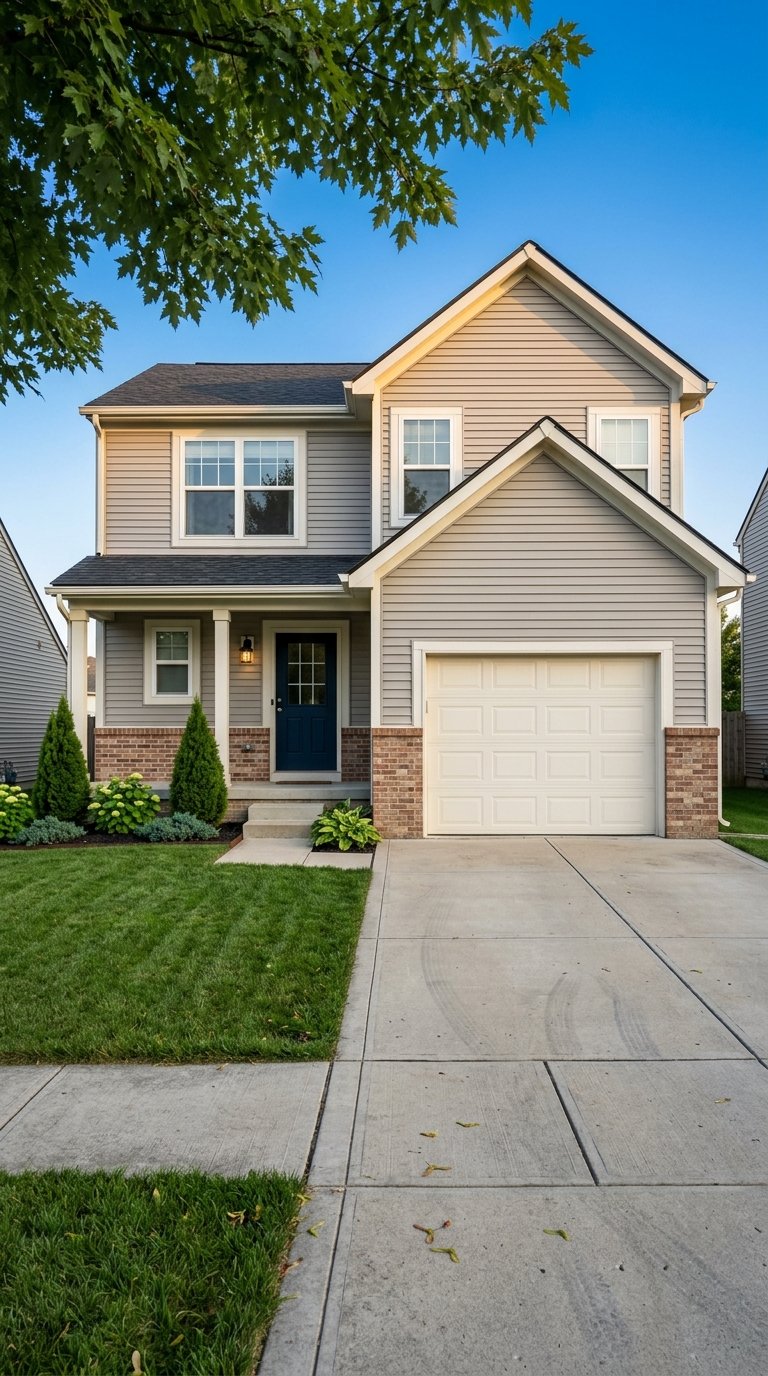
Starter Home Options In Sun Prairie And East Madison
If you have been searching for a first home in Sun Prairie or East Madison, you already know the biggest challenge: finding something that fits your budget without giving up too much on location, condition, or style. This part of Dane County can feel competitive, especially when median sale prices reached $454,000 in Madison and $470,000 in Sun Prairie in March 2026. The good news is that starter-home options do exist, but they often look different from what buyers expect. Let’s break down where you may find the best fit and what tradeoffs to weigh.
Both Madison and Sun Prairie are dealing with a tight housing supply. Madison’s owner-occupied vacancy rate has held at 0.6% since 2021, which means very few homes sit vacant and available at any given time. Dane County also says it needs about 7,000 new homes per year countywide, including 3,300 owner units and at least 250 affordable single-family for-sale homes annually.
That shortage shapes what you are likely to see as a first-time buyer. In Madison, new construction has leaned heavily toward multifamily housing rather than detached starter homes. From 2015 through 2024, only 15% of completed homes were in one-unit buildings.
Sun Prairie shows a similar pattern, even though its housing stock is broader overall. The city says it needs roughly 517 to 518 new homes per year to keep up with demand, but recent production has included far more multifamily units than detached homes. In its 2024 housing snapshot, Sun Prairie listed 77 single-family homes, 6 duplex homes, and 181 multifamily homes, along with 98 new residential lots platted.
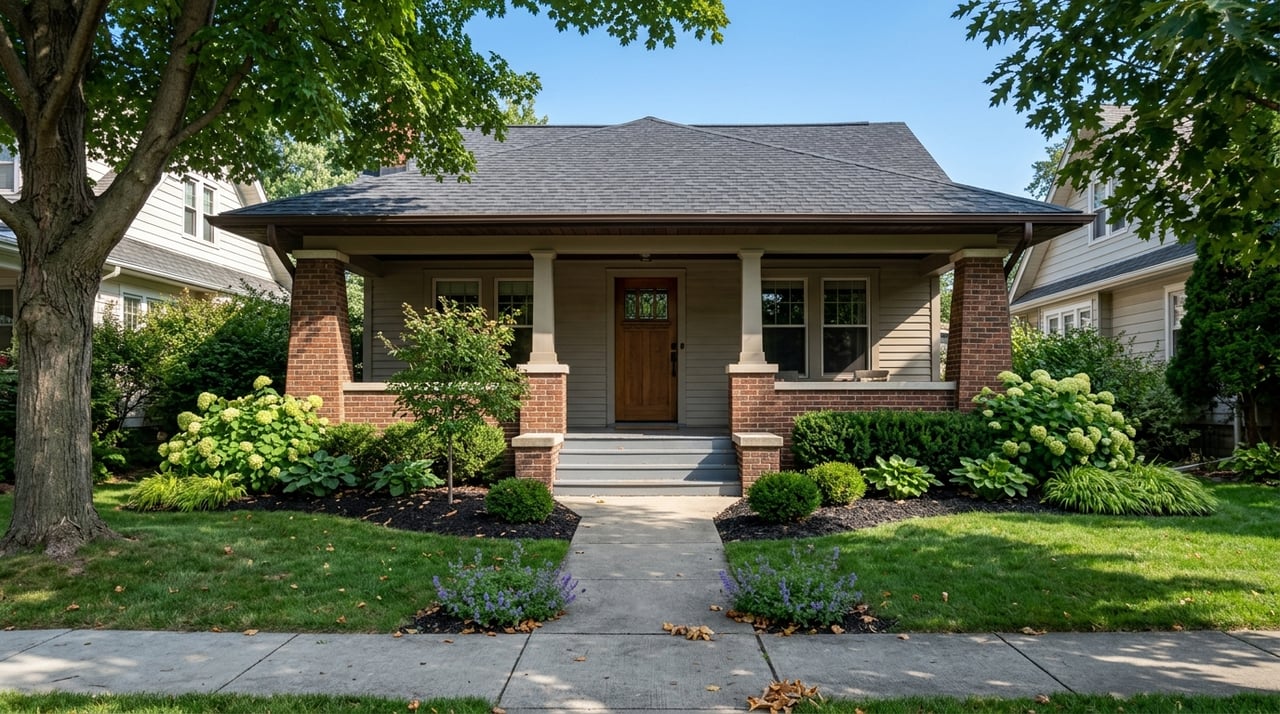
If you are drawn to character, walkable street patterns, and established housing stock, East Madison can offer a very different kind of starter-home search. Many east-side options are older, smaller, and more varied than what you may find in newer suburban developments. That can open the door to entry-level pricing, but it also brings important maintenance considerations.
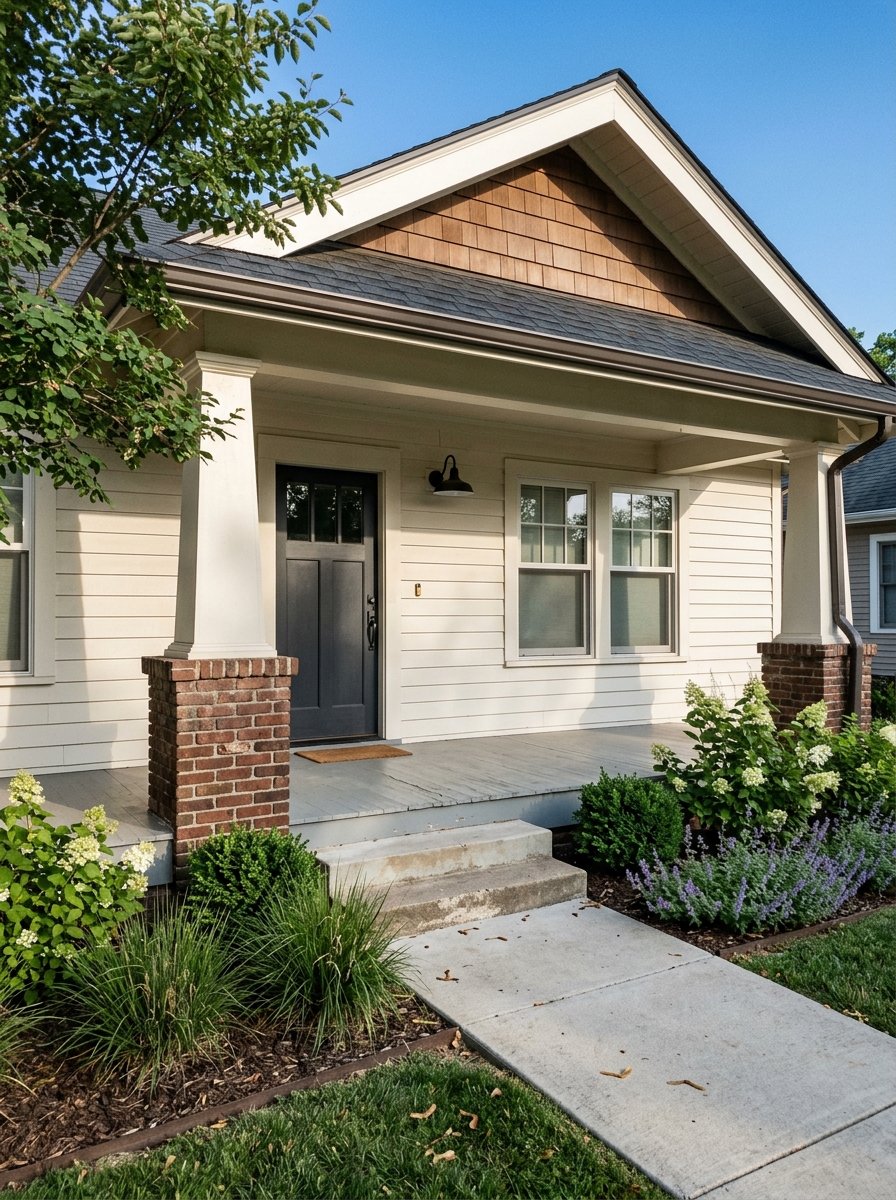
The Schenk-Atwood-Starkweather-Worthington Park plan says 61.3% of neighborhood structures were built in or before 1939, compared with 21.3% citywide. Areas like the Marquette Bungalows historic district, Eken Park, and Hawthorne-Truax reflect that older housing mix. In practical terms, you may see bungalow-style homes, older single-family houses, and smaller properties with a strong sense of place.
Madison’s comprehensive plan treats several home types as part of its missing-middle housing mix. For you, that means starter-home options may include more than a traditional detached house.
Common possibilities include:
This mix matters because it gives you more ways to get into the market. If a detached home feels out of reach, an attached option or a smaller condo may help you stay closer to your target payment.
Older east-side homes can offer charm and location, but they usually come with tradeoffs. You may find smaller closets, older housing systems, or layouts that reflect another era of construction. Some buyers are happy to take on future updates in exchange for character and a well-established neighborhood feel.
That decision often comes down to your comfort level with repairs and projects. If you want a lower-maintenance first home, East Madison may still work for you, but you may want to focus on condos or homes with key updates already completed.
If your priority is newer housing stock and a wider range of home types, Sun Prairie may feel more straightforward. The city’s 2022 housing study found that about 48% of housing units were single-family detached homes, 13% were townhomes or duplexes, and 39% were apartments or condos. That broader mix can create more paths into ownership, especially if you are open to attached housing.
At the same time, newer does not always mean cheaper. Sun Prairie found that homes built since 2010 sold at about a 20% premium over homes built before 2010. That helps explain why smaller new-construction homes can still feel expensive for first-time buyers.
Sun Prairie tends to offer a more suburban spread of options than East Madison. Depending on your budget, you may come across:
The city has also said it wants to expand housing choice and price points. While detached starter homes are still limited, the mix of attached and multifamily housing can give you more flexibility if you want a newer space with less maintenance.
In Sun Prairie, the biggest choice is often not whether you can buy, but what kind of home you are willing to buy. You may need to choose between a detached home that is older, an attached home that is newer, or a property that needs cosmetic updates but leaves room in your budget.
That tradeoff matters because the median sale price remains high. With 28% of Sun Prairie households spending more than 30% of income on housing, staying realistic about monthly cost is just as important as focusing on the purchase price.
If you are deciding between these two areas, it helps to think beyond price alone. The better fit often comes down to how you want to live in your first home and how much work you want to take on.
| Factor | East Madison | Sun Prairie |
|---|---|---|
| Housing style | Older, character-driven homes and smaller properties | Broader mix with more newer housing |
| Typical starter options | Older single-family, duplexes, small condos | Single-family, townhomes, duplexes, condos |
| Maintenance expectations | Often higher due to age of homes | Often lower in newer homes |
| Lot sizes and layouts | Smaller lots, older floor plans | More suburban layouts and newer designs |
| Price pressure | Tight supply, limited detached inventory | Newer homes often carry a premium |
Neither option is automatically better. If you value charm and established housing stock, East Madison may be the stronger match. If you prefer newer finishes and a wider mix of attached housing, Sun Prairie may offer more practical options.
It is easy to start with a dream list and then feel discouraged. A better approach is to separate your budget into must-haves, nice-to-haves, and items you can improve later. In this market, flexibility can make a big difference.
Madison’s 2025 Housing Snapshot says the home price affordable to households ages 25 to 44 fell to $284,000 in 2023, roughly the level of average starter-home values. The city also says current interest rates are making it harder for first-time buyers. That means many buyers need to widen the search to include condos, duplexes, or older homes with update potential.
Before you tour homes, think through these key questions:
Your answers can quickly narrow the field. They also help you avoid comparing homes that meet very different needs.
If you are buying your first home, financing options may give you more room than you expect. In Wisconsin, WHEDA offers first-time home-buyer mortgage options with down payment assistance and reduced-rate options for eligible borrowers. For some buyers, that can help bridge the gap between savings and the cash needed to close.
Dane County’s Housing Access and Affordability division also says it has provided more than $15 million in 0% interest deferred loans to homebuyers and homeowners in need of repairs. Programs and eligibility can change, but local resources like these are worth reviewing early in the process. They may affect whether you target an older home that needs work or a more move-in-ready property.
In a market with limited starter inventory, preparation matters. You do not need to rush into the wrong home, but you do need a clear plan. Knowing your tradeoffs before a home hits the market can help you move with more confidence.
A smart approach often includes:
The goal is not to find a perfect first home. The goal is to find a home that works for your life now and gives you a solid next step into ownership.
Starter homes in Sun Prairie and East Madison are out there, but they rarely come in a one-size-fits-all package. In East Madison, you may find character, older homes, and more missing-middle options. In Sun Prairie, you may find a broader mix of housing types and newer spaces, often with a price premium. If you want help sorting through the tradeoffs and finding the right fit for your budget and goals, Collective Real Estate Group is here to guide you.
Whether it’s your very first or the one you’ve always dreamed of. We will work hard for you, listen carefully to your needs, and stay committed to finding the right home for you.

Middleton Office
6650 University Ave
Middleton WI 53562
Oregon Office
110 N Main St
Oregon WI 53575
Manitowish Waters Office
13008 Alder Lake Rd
Manitowish Waters WI 54545