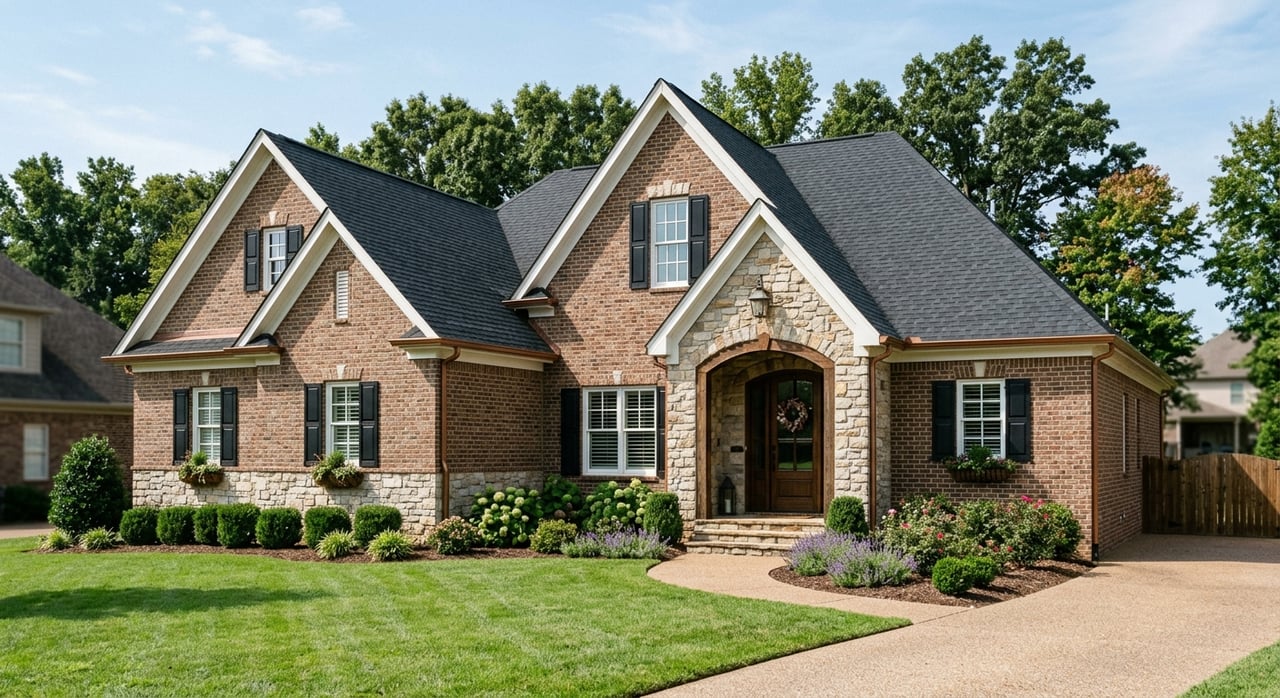
Middleton Or Far West Madison For Your Next Move
Trying to decide between Middleton and Far West Madison for your next move? If both are on your shortlist, you are not alone. Each offers strong west-side access, everyday convenience, and a different kind of lifestyle, and understanding those differences can help you make a smarter, more confident choice. Let’s dive in.
Middleton and Far West Madison may sit close to each other, but they do not feel exactly the same once you look at how people live day to day.
Middleton is its own city, smaller and more self-contained. In 2024, Middleton had 22,566 residents across 8.94 square miles. Madison, by comparison, had 285,300 residents across 79.57 square miles, and Far West Madison is best understood as part of that larger city rather than a separate municipality.
That distinction matters when you are home shopping. Middleton tends to feel like a compact west-side city with its own identity, while Far West Madison feels more like a broad urban-suburban corridor shaped by major roads, job centers, shopping, and mixed-use development.
Middleton often appeals to buyers who want a smaller community feel without giving up access to Madison.
The city has a compact downtown with dining, shopping, Stone Horse Green, the National Mustard Museum, and Capital Brewery. According to the local tourism office, Middleton also has more than 70 dining locations, 55 shopping locations, and nine hotels, which gives it a lively but still manageable feel.
Outdoor access is another major part of the appeal. Middleton has more than 30 parks and natural areas, plus 30 miles of multi-use trails. Pheasant Branch Conservancy alone spans 682 acres, giving residents a substantial natural area close to home.
Far West Madison offers a different kind of energy. Rather than revolving around one downtown, it functions more as a west-side network of destinations and corridors.
The West Area Plan describes this part of Madison as home to about 33,000 residents and more than 23,000 jobs. Key activity centers include Hilldale, University Research Park, and West Towne Mall, which helps explain why the area often feels busy, connected, and practical for daily errands and commuting.
This part of Madison is also being shaped by more transit-, pedestrian-, and bicycle-friendly planning. If you want to live within a more mixed-use city setting, Far West Madison may align more closely with that goal.
If lifestyle is high on your list, this may be the clearest difference.
Middleton offers a recognizable downtown and a more self-contained local rhythm. You can picture dining, shopping, community spaces, and trail access all tying back to one smaller city center.
Far West Madison is more spread out in how it functions. Its activity is distributed across commercial corridors, employment hubs, retail centers, and residential pockets. For some buyers, that means more convenience and variety. For others, it may feel less centered around one core gathering place.
Both areas offer outdoor options, but Middleton stands out for how central they are to its identity.
With more than 30 parks and natural areas and 30 miles of multi-use trails, Middleton makes outdoor recreation part of everyday living. The presence of Pheasant Branch Conservancy adds another layer for buyers who want quick access to open space, walking paths, and nature.
Far West Madison also supports biking and pedestrian access through current planning efforts, but the research points more strongly to its mixed-use and transportation network than to one defining park-and-trail identity.
Your usual routine can make this decision much easier.
Middleton has a direct transit link to downtown Madison. Metro Route F runs every 30 minutes between Capitol Square, Middleton, and Junction/Watts, serving University, Parmenter, Greenway, and Excelsior along the way. That gives Middleton a meaningful downtown connection even though it feels more suburban.
Far West Madison sits on Madison’s BRT spine. Rapid Route A runs east-west from Sun Prairie Park & Ride to Junction Road with 15-minute service on weekdays and Saturdays, and it uses larger buses, dedicated lanes, and a newer fare system. Routes B and F also connect along this corridor.
In simple terms, Middleton can work well if you are comfortable with a car commute or a downtown-linked bus route. Far West Madison may be the better fit if you want to live within Madison’s newer high-frequency transit corridor.
Middleton generally comes with a higher ownership price point.
In 2024, the median value of owner-occupied housing units in Middleton was $484,200. In Madison, that figure was $372,900. That means Middleton carried a premium of $111,300, or about 29.8% higher based on the available city data.
Monthly ownership costs also reflect that difference. Median monthly owner cost with a mortgage was $2,579 in Middleton versus $2,098 in Madison. If your budget is tight, this is one of the most important tradeoffs to weigh early.
Far West Madison often feels more flexible when it comes to housing type.
The West Area Plan shows about 16,200 dwelling units in the area, with roughly 42% single-family and 57% multifamily units. That suggests a broader mix of condos, apartments, and attached homes compared with a market that leans more heavily toward detached ownership.
That does not mean Middleton lacks variety. Middleton’s Housing Action Plan supports a wider range of affordable housing, including both rental and owner-occupied options, and downtown Middleton already includes apartments alongside business and shopping in the Middleton Center area.
Still, if you want more options in condos or attached living, Far West Madison may offer a wider range in practice. If you are focused on a more settled detached-home market and are comfortable with higher ownership costs, Middleton may feel like the stronger match.
For many buyers, school district structure is part of the search.
Middleton is served by Middleton-Cross Plains Area School District, which serves about 7,100 students through a 4K through 12 experience. Far West Madison is within Madison Metropolitan School District, which serves more than 25,000 students in 52 schools across roughly 74 square miles.
This is not about one being better than the other. It is about scale and structure. Some buyers prefer a smaller district footprint, while others are comfortable with a larger district serving a broader area.
Middleton tends to line up well for buyers who want a smaller west-side community with a clear local identity.
You may prefer Middleton if you are looking for:
The tradeoff is usually price. Middleton’s owner-occupied market is notably higher based on current census data, so it helps to go in with a realistic budget and a clear sense of priorities.
Far West Madison often works well for buyers who want to stay within Madison and value connectivity.
You may prefer Far West Madison if you are looking for:
For many buyers, the appeal comes down to convenience. If you want to be near west-side employment centers, shopping, and city transit infrastructure, Far West Madison can be a practical and appealing option.
If you are still torn, ask yourself a few simple questions.
Do you want a suburb-like city with its own downtown, or do you want a west-side Madison setting shaped more by corridors and mixed-use activity? Are you aiming for a detached home and willing to pay more for it, or do you want a wider range of housing formats? And how much does transit access, especially BRT, matter to your daily routine?
Those questions get to the heart of the choice. The better fit is usually the one that supports how you want to live, not just where you want to be on a map.
If you are weighing Middleton against Far West Madison, a local strategy matters just as much as the search itself. The team at Collective Real Estate Group can help you compare neighborhoods, narrow your options, and move forward with confidence.
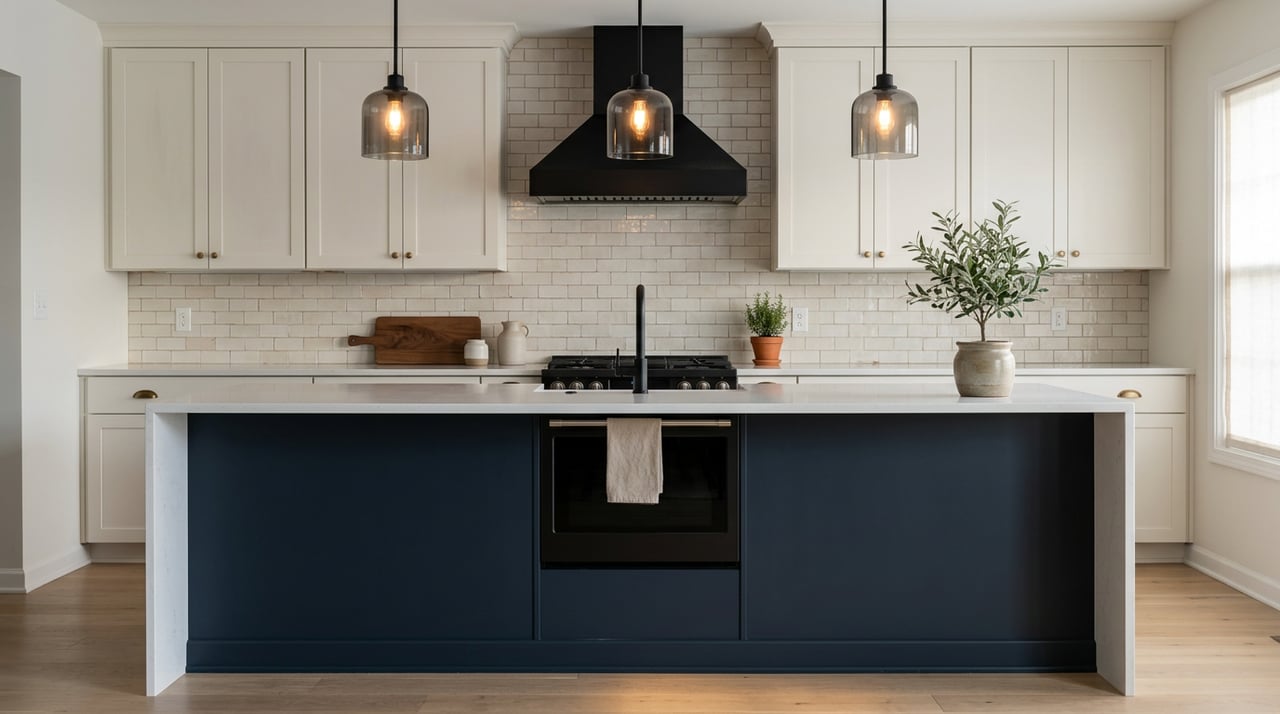
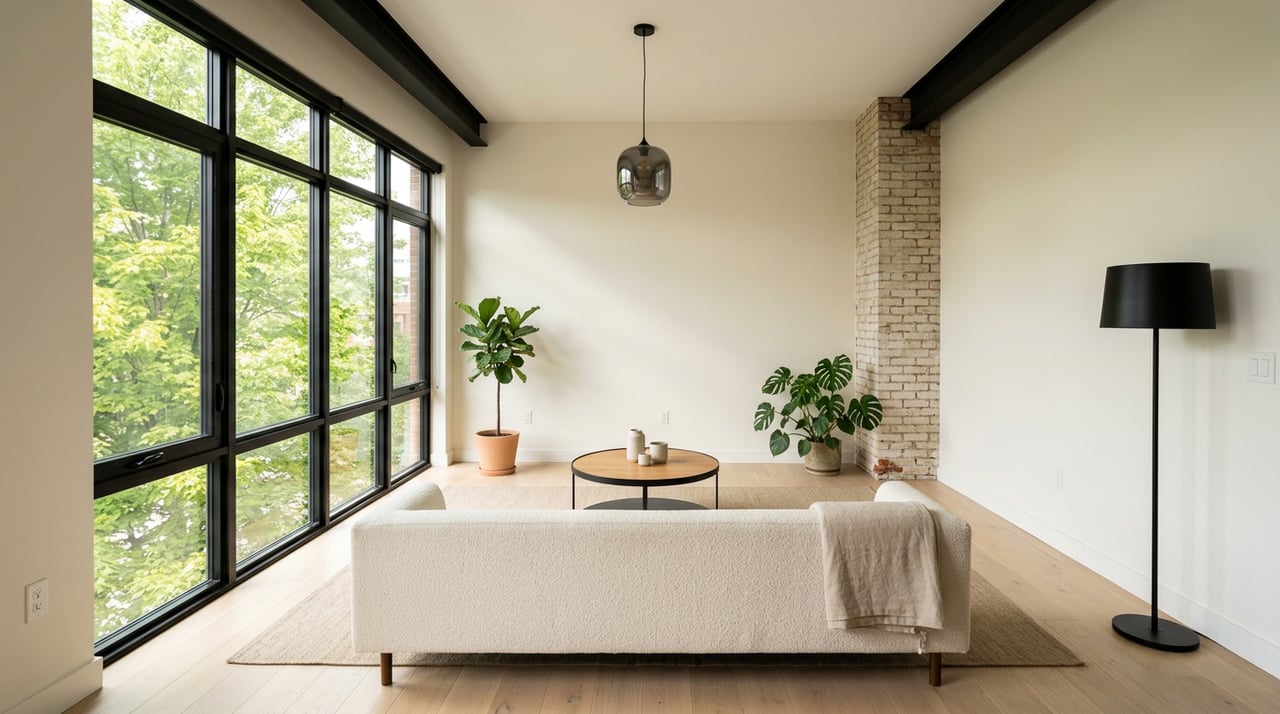
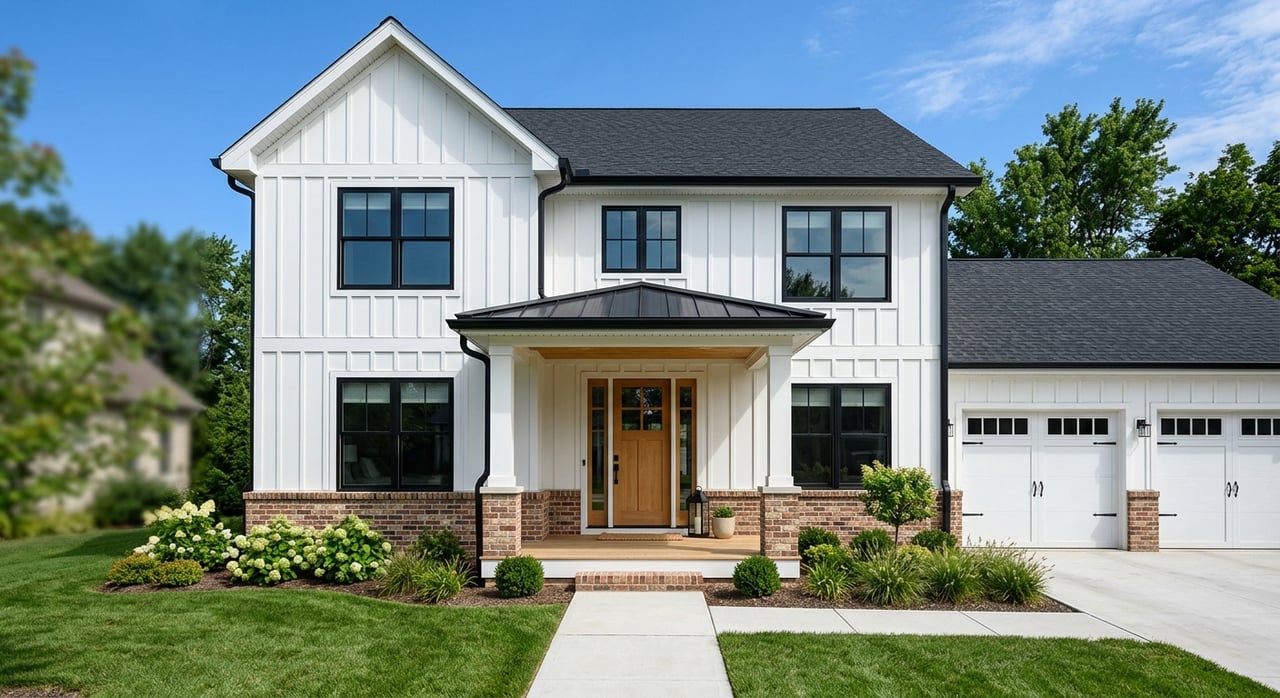
Whether it’s your very first or the one you’ve always dreamed of. We will work hard for you, listen carefully to your needs, and stay committed to finding the right home for you.
Middleton Office
6650 University Ave
Middleton WI 53562
Oregon Office
110 N Main St
Oregon WI 53575
Manitowish Waters Office
13008 Alder Lake Rd
Manitowish Waters WI 54545