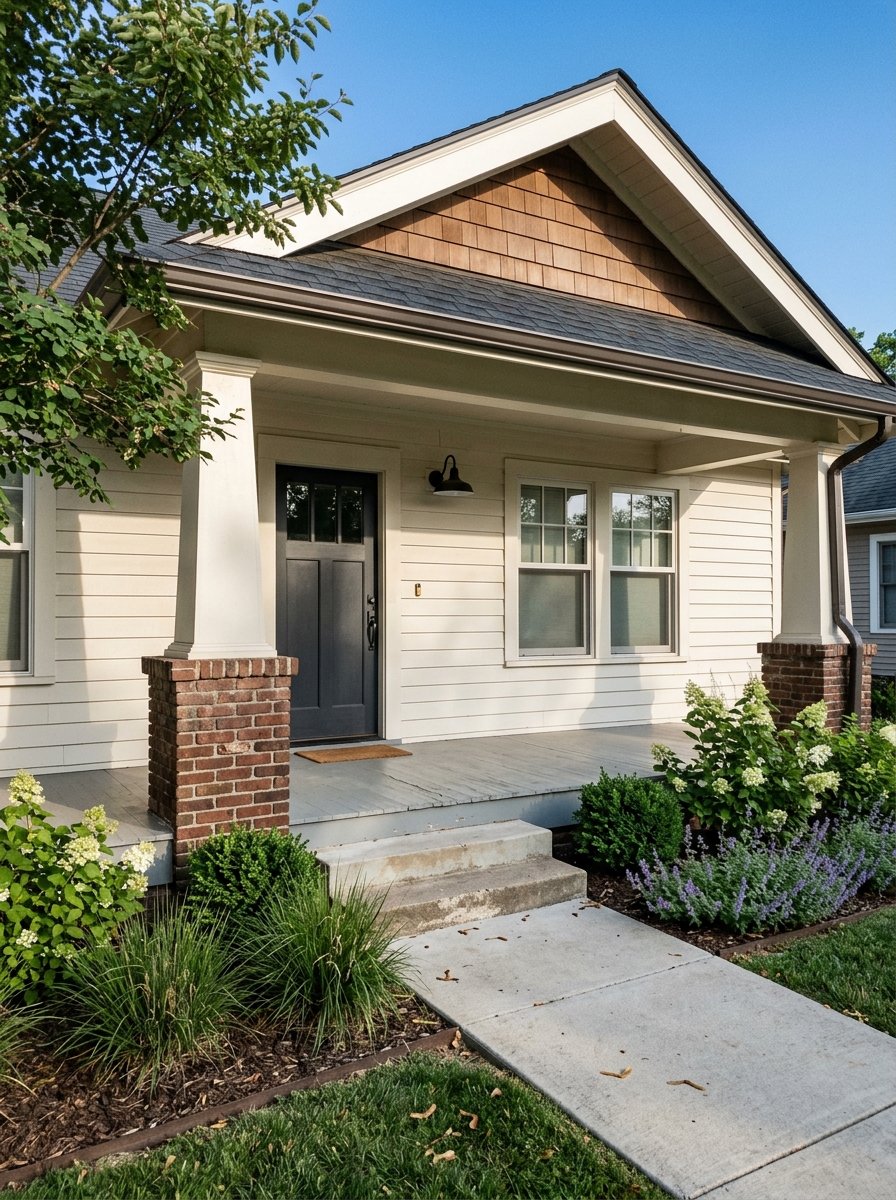
A Buyer’s Guide To Character Homes In Stoughton
Dreaming about a home with a wraparound porch, original woodwork, or a bungalow profile that feels like it has a story to tell? In Stoughton, character homes are a real part of the market, not a rare exception. If you are thinking about buying one, it helps to know what styles you may see, what to inspect more closely, and what ownership often looks like over time. Let’s dive in.
Stoughton’s older homes reflect the city’s 19th-century growth as an early mill town, then a railroad and agricultural trade center, followed by a late-19th-century boom tied to Norwegian immigration and the wagon and tobacco industries. That history still shows up in the housing stock today.
According to the city’s comprehensive plan, Stoughton has five historic districts and more than 500 buildings listed on the National Register or State Register. For buyers, that helps explain why homes with original architectural details, older materials, and distinct street presence are such a visible part of the local market.
Several parts of Stoughton stand out for their concentration of older housing. These areas do not all look the same, but they share a strong connection to the city’s late-19th- and early-20th-century development.
This district includes nearly 250 historic homes, most built between 1880 and 1915. Queen Anne is the most common style, with Italianate, American Foursquare, Craftsman/Bungalow, and Colonial Revival homes also represented.
The district is known for wood construction, with only a small number of brick and concrete-block houses. That matters because wood siding, trim, porches, and windows often need a different maintenance mindset than newer materials.
The Southwest Side Historic District has more than 120 homes. Queen Anne is again the most common style, joined by many Italianate homes, and nearly three-quarters of the buildings were constructed between 1880 and 1910.
If you are looking for ornate details, layered rooflines, or decorative porch elements, this is one of the areas where those features may appear more often. It is a good example of how much architectural personality exists in Stoughton’s older neighborhoods.
The East Side Historic District includes more than 80 homes, with most built between 1890 and 1915. Queen Anne is the dominant style there as well.
The East Park Historic District is smaller, with 19 houses built mainly from 1913 through 1935, plus later infill through 1952. Buyers will often see more bungalow and Period Revival influences in this area, which can feel a bit simpler and more restrained than the earlier Victorian-era homes.
One of the most important things to know is that Stoughton’s character homes are not all one type. The market includes a layered mix of late-Victorian and early-20th-century styles, each with its own look and upkeep considerations.
Queen Anne is the most common residential character style in Stoughton. These homes often have asymmetrical shapes, towers or oriel bays, wraparound or prominent porches, bay windows, spindlework, and decorative trim.
For many buyers, this is the classic “storybook” old-house look. It can be charming and memorable, but it may also come with more exterior detail to maintain.
Italianate homes in Stoughton often have hipped roofs, bracketed cornices, decorative porches, and round- or segmental-arched openings. Some also have a more square-plan layout.
These homes tend to feel stately and architectural without the same level of ornament as some Queen Anne houses. If you like older homes with cleaner lines but still want historic character, this style may appeal to you.
These styles generally read as more symmetrical or boxy, often with classical columns, porticos, and simpler facades. In Stoughton, they can feel like a practical bridge between ornate Victorian homes and more streamlined early-20th-century design.
For buyers, that can mean a balance of character and everyday functionality. Many people are drawn to these homes for their straightforward layouts and timeless curb appeal.
Craftsman and bungalow homes usually feature low rooflines, broad eaves, exposed rafters, and simpler detailing. In Stoughton, they became more common in the early 20th century, especially in the East Park District and in some later homes in the northwest area.
These homes often appeal to buyers who want charm without quite as much decorative trim. Their details are usually more understated, but still highly distinctive.
A character home can be a wonderful purchase, but it calls for careful due diligence. Along with a standard whole-house inspection, Stoughton buyers should pay close attention to older-home issues and any local historic review requirements.
If a home is locally designated or located in Stoughton’s local historic district, exterior changes that require a permit cannot move forward until the owner receives a Certificate of Appropriateness. Interior work that may affect exterior features is also subject to review.
For you as a buyer, that makes permit history, prior Certificates of Appropriateness, and the condition of altered exterior features worth reviewing. If windows, porches, roofing, siding, or masonry have already been changed, it is smart to understand what was done and whether approvals were required.
Because many older Stoughton homes are wood-frame, moisture management matters. Roof drainage, porch structure, window condition, and signs of movement in brick or mortar deserve extra attention during inspection.
Historic wood porches are especially vulnerable to rot, insects, and deferred maintenance. Older wood windows can last a very long time when cared for, but they should still be evaluated for condition, operation, and past repairs.
Wisconsin DHS recommends radon testing during real estate transactions. The agency notes that about 1 in 10 Wisconsin homes has high radon levels and says testing should be done in the basement or lowest livable level.
That guidance applies to older and newer homes alike. If you are buying in Stoughton, radon testing is a practical step to include in your due diligence plan.
If the home was built before 1978, lead-based paint may be present. Wisconsin DHS says sellers must give buyers a 10-day period to get a lead-based paint inspection or risk assessment.
For buyers considering an older home with original trim, windows, or painted surfaces, this is not just paperwork. It is part of understanding the property’s condition and planning safely for any future work that could disturb paint.
Asbestos can become a concern when materials are disturbed during maintenance, renovation, or demolition. Wisconsin DHS says asbestos can be released in those situations, and EPA advises leaving undamaged asbestos-containing materials alone unless they will be disturbed.
If you suspect asbestos in insulation, flooring, siding, pipe wrap, or other materials, do not treat it as a casual DIY project. Sampling, repair, or removal should be handled by trained and accredited professionals.
Some properties on the southeast Dane County edge or on more rural-leaning parcels may use private well and septic systems. Public Health Madison & Dane County recommends annual well-water testing for bacteria, coliform, nitrates, and other contaminants.
The agency also says most septic systems in Dane County need inspection and service every three years. If the home you are considering is not connected to municipal systems, these items should be part of your inspection and budgeting process.
The best way to approach a Stoughton character home is to think like a steward, not just a shopper. Many of these homes offer original details, strong materials, and a sense of place that is hard to replicate in newer construction.
At the same time, preservation-minded ownership usually means ongoing maintenance, targeted system updates, and thoughtful repairs instead of assuming every old feature should be replaced. That is especially true for windows, porches, and masonry, which are often central to the home’s appearance and long-term performance.
Not every character home needs a full renovation, but many buyers will want to make updates over time. In Stoughton, it helps to understand that the most successful projects are often the ones that respect the home’s original materials while improving function where needed.
The National Park Service describes preservation as maintaining the existing form, integrity, and materials of a historic property, with an emphasis on maintenance and repair rather than extensive replacement. It also notes that limited, sensitive upgrades to electrical, plumbing, and mechanical systems are appropriate when needed to keep a property functional.
Old wood windows and porches are often major parts of a home’s character. National Park Service guidance notes that old wood windows can last for centuries if cared for, and that porches are highly character-defining features that are vulnerable to moisture and wear.
That does not mean every old element must stay untouched. It does mean buyers should look at condition carefully and understand that repair and maintenance may be better long-term strategies than wholesale replacement.
If the home has brick or masonry components, repair methods matter. National Park Service guidance explains that mortar should manage moisture and that overly hard modern mortars can damage historic masonry.
For a buyer, this is less about becoming a preservation expert and more about hiring the right people when repairs are needed. The wrong material choice can create bigger issues later.
If paint will be disturbed in a pre-1978 home, Wisconsin’s Lead-Safe Renovation Rule may apply. Wisconsin DHS says individuals and companies doing most paint-disturbing work on those homes must be trained and certified.
If you are budgeting for remodeling, especially around windows, trim, or painted siding, ask early whether lead-safe practices will be required. That can affect project scope, timeline, and cost.
A Stoughton character home can be a great fit if you value original architecture, a strong sense of place, and the idea of caring for a home over time. These properties often reward buyers who appreciate details like millwork, porches, old windows, and historic floorplans.
They may be less ideal if you want a fully modernized home with minimal maintenance and no renovation decisions ahead. The right choice depends on your comfort with upkeep, your renovation goals, and how much charm matters to you in the overall buying decision.
If you are exploring character homes in Stoughton, a local, detail-oriented buying strategy can make a big difference. The team at Collective Real Estate Group can help you evaluate older homes with a clear eye for condition, context, and long-term fit.
Whether it’s your very first or the one you’ve always dreamed of. We will work hard for you, listen carefully to your needs, and stay committed to finding the right home for you.

Middleton Office
6650 University Ave
Middleton WI 53562
Oregon Office
110 N Main St
Oregon WI 53575
Manitowish Waters Office
13008 Alder Lake Rd
Manitowish Waters WI 54545