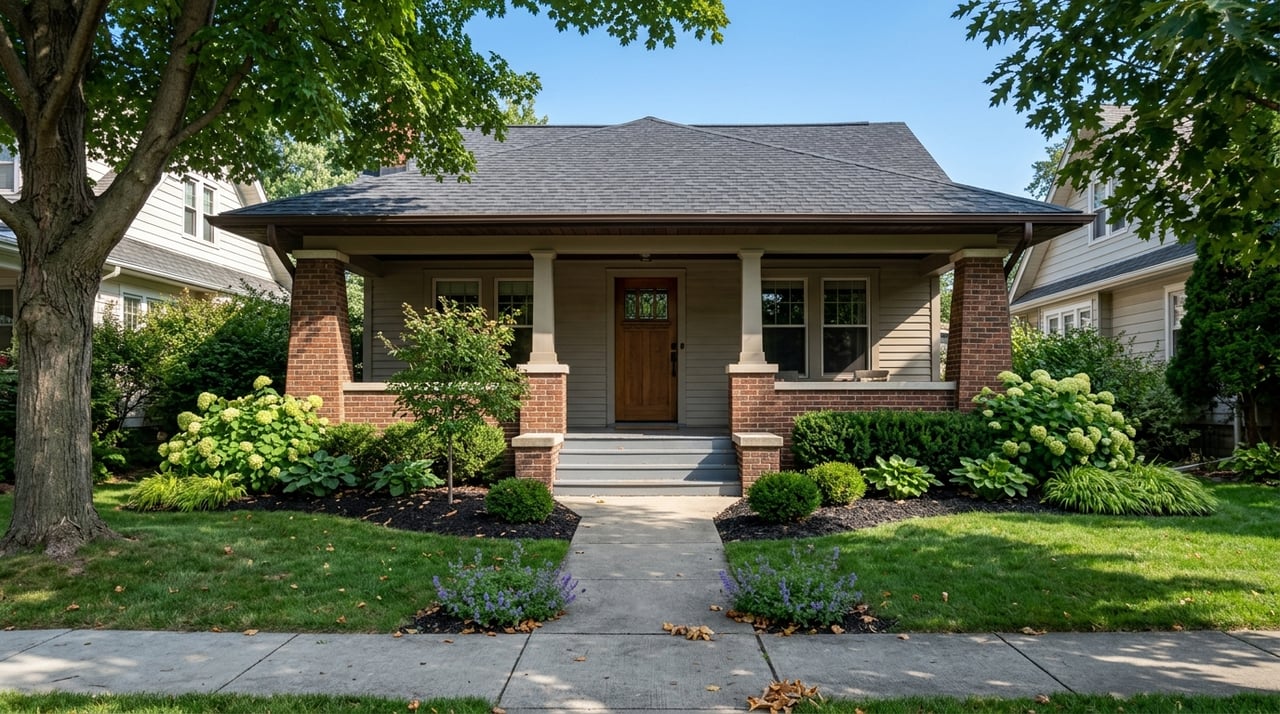
Bungalow Living And Market Trends In Near West Madison
If you love homes with real personality, Near West Madison is hard to ignore. This part of Madison blends classic bungalow charm, walkable streets, and everyday access to parks, shops, and Lake Wingra, which is why so many buyers keep it on their shortlist. If you are wondering how bungalow living fits with today’s market, this guide will help you understand the area’s character, what current trends suggest, and what to expect from owning an older home. Let’s dive in.
Near West Madison is less a single formal neighborhood and more a collection of established west-side areas with a shared feel. Around Monroe Street, Wingra Park, West Lawn Heights, and Nakoma, you will find a strong concentration of early- and mid-20th-century homes, including bungalows and Craftsman-influenced properties alongside Prairie School, Colonial Revival, and Tudor Revival styles.
That architectural variety gives the area lasting appeal. According to the Wisconsin Historical Society’s documentation of Wingra Park, the neighborhood reflects Madison’s early suburban growth and includes many homes from the Craftsman era, including Bungalow and Prairie School styles. The same broader historical context applies to nearby West Lawn Heights, which also developed during the early 20th century.
For you as a buyer, that means the appeal is often bigger than one specific house. You are also buying into a neighborhood pattern with mature streets, established housing stock, and a sense of architectural continuity that newer subdivisions usually cannot replicate.
Bungalow living tends to attract buyers who want warmth, detail, and a home that feels connected to its era. In Near West Madison, that can mean front porches, original woodwork, older windows, plaster walls, and efficient floor plans that make thoughtful use of space.
In places like Wingra Park and nearby historic districts, bungalows are part of a broader design story. The Wisconsin Historical Society’s record for Nakoma shows that the area includes Craftsman Bungalow homes but also a wider mix of revival and modern styles. That gives you choices if you want character without limiting yourself to a single architectural label.
The surrounding setting matters too. The Monroe Street Commercial District Plan notes that the nearby residential area was predominantly owner-occupied single-family housing, with many homes built in the 1920s. That consistency helps explain why so many buyers are drawn to this part of Madison for both lifestyle and long-term value.
One reason bungalow living works so well here is that it is not just about the house. It is also about being close to a walkable commercial corridor that supports day-to-day life.
The City of Madison describes the Monroe Street Commercial District as a historic, walkable area connecting Camp Randall Stadium, Lake Wingra, and the Arboretum. The corridor is centered on neighborhood-serving businesses, which helps create the kind of daily convenience many buyers want when choosing an older in-town neighborhood.
That walkable appeal is supported by the city’s larger transportation network. Madison reports it has close to 1,200 miles of sidewalks and received a Gold Walk Friendly Community designation in 2021. If you value being able to move around on foot or by bike, that broader city investment reinforces the lifestyle draw of the Near West area.
Near West Madison also benefits from strong access to outdoor amenities. For many buyers, that is a major part of what makes an older neighborhood feel livable year-round.
Vilas Park is one of the clearest examples. The City of Madison describes it as one of the city’s oldest parks, with Lake Wingra shoreline, a sandy beach, fishing access, winter skating, and direct adjacency to both the UW Arboretum and Henry Vilas Zoo.
That mix of green space, water access, and established neighborhood streets can add real day-to-day value. If you are comparing areas, Near West Madison offers a combination that is often hard to duplicate: historic housing, neighborhood retail, and close access to well-known outdoor spaces.
If you are watching the market before making a move, the bigger picture is important. Citywide data suggests Madison remains competitive, even if conditions are not as intense as they were during the fastest-moving periods of recent years.
According to Redfin’s Madison housing market data, the median sale price in March 2026 was $453,500, up 5.8% year over year. The same report says homes sold after 41 days on market and received about 2 offers on average.
At the county level, conditions look active but measured. Realtor.com’s Dane County overview described the county as a balanced market in February 2026, with a median home price of $495,000, median days on market of 33, and a sale-to-list ratio of 100%.
These snapshots use different geographies and methods, so they are not identical. Still, together they point to a market where demand remains healthy, pricing matters, and buyers are still competing for homes that stand out.
Near West Madison’s housing stock fits well with what many buyers continue to want: location, walkability, and architectural character. While the research does not provide a neighborhood-specific bungalow price chart, the broader market context supports a reasonable takeaway.
The City of Madison’s 2025 Housing Snapshot says housing production has increased, but demand still outpaces new supply, with rising land and construction costs contributing to continued competition and fewer choices. The city reported 2,328 net new homes created and permitted in 2025, with 5,320 homes under construction at year-end.
In that environment, well-maintained older homes in desirable Near West locations are likely to continue attracting attention, especially when they pair original details with practical updates. For sellers, presentation matters. For buyers, it helps to be clear about where you can compromise and where you cannot.
The charm of an older bungalow is real, but so is the responsibility that comes with it. If you are shopping for a home built in the 1920s or earlier, it helps to go in with a practical mindset.
One key issue is lead-based paint. The EPA says that 87% of homes built before 1940 contain some lead-based paint, and buyers or owners of pre-1978 homes should assume lead may be present unless the home has been inspected.
That does not mean you should avoid older homes. It means you should understand the maintenance realities, ask good questions, and plan repairs or updates carefully.
Older homes often reward steady, thoughtful upkeep. If you appreciate original trim, porches, plaster, and wood windows, you should also expect those features to need periodic attention.
For remodeling and repair work in pre-1978 homes, the EPA and HUD emphasize lead-safe practices. That is especially relevant in bungalow neighborhoods where owners may want to improve kitchens, refinish trim, update porches, or replace worn surfaces while preserving the home’s original character.
The National Park Service also supports a repair-first approach for many historic features. Its guidance on weatherization of historic buildings explains that older windows and doors can often be repaired or upgraded, and that additions like weatherstripping and storm windows may improve efficiency without removing original materials.
In simple terms, bungalow ownership tends to work best when you see yourself as a steward, not just a consumer. That mindset can help you protect the home’s value and enjoy what makes it special.
If you are buying in Near West Madison, focus on the full picture. Look beyond cosmetic updates and pay attention to location, condition, walkability, and how well the home’s systems and historic features have been maintained.
If you are selling a bungalow or other character home in this area, your home’s story matters. Buyers often respond strongly to original design details, but they also want clarity around updates, maintenance, and how the house fits into the surrounding neighborhood lifestyle.
That is where thoughtful guidance can make a real difference. From pricing and preparation to standout presentation, a well-planned strategy can help buyers feel confident and help sellers show the full value of a character-rich property.
If you are thinking about buying or selling in Near West Madison, Collective Real Estate Group can help you navigate the market with local insight, a consultative approach, and polished marketing built around what makes each home and neighborhood stand out.
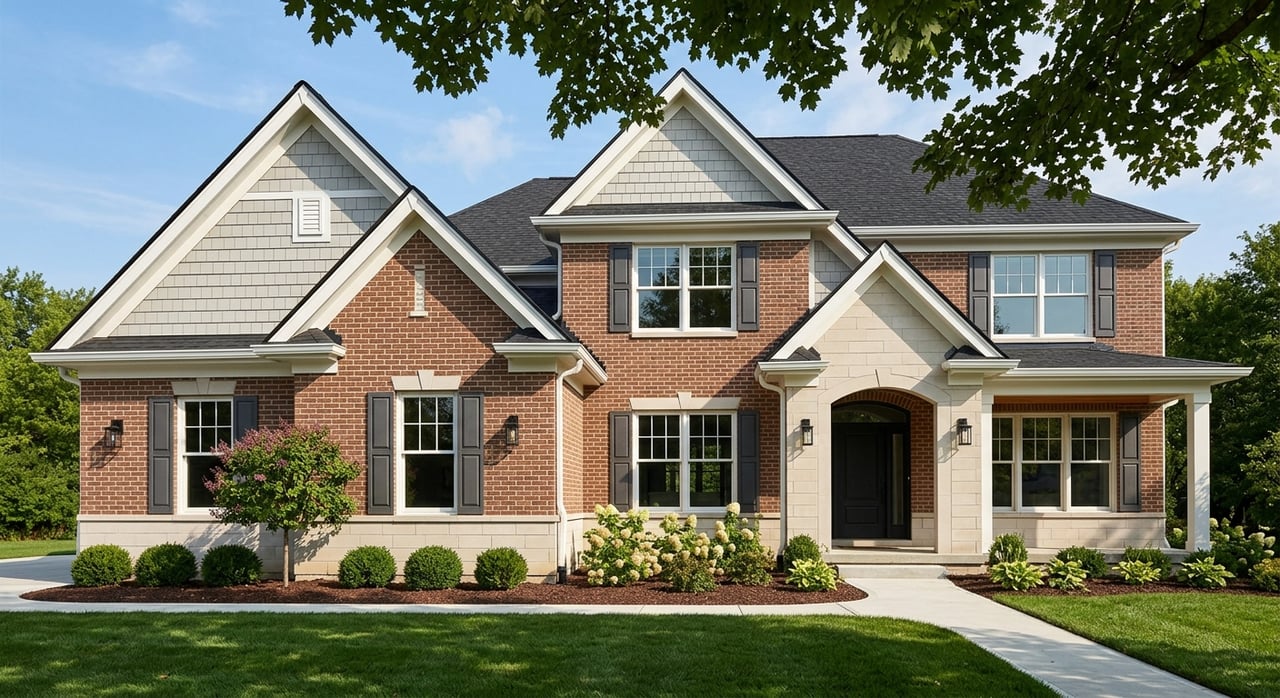
Whether it’s your very first or the one you’ve always dreamed of. We will work hard for you, listen carefully to your needs, and stay committed to finding the right home for you.

Middleton Office
6650 University Ave
Middleton WI 53562
Oregon Office
110 N Main St
Oregon WI 53575
Manitowish Waters Office
13008 Alder Lake Rd
Manitowish Waters WI 54545