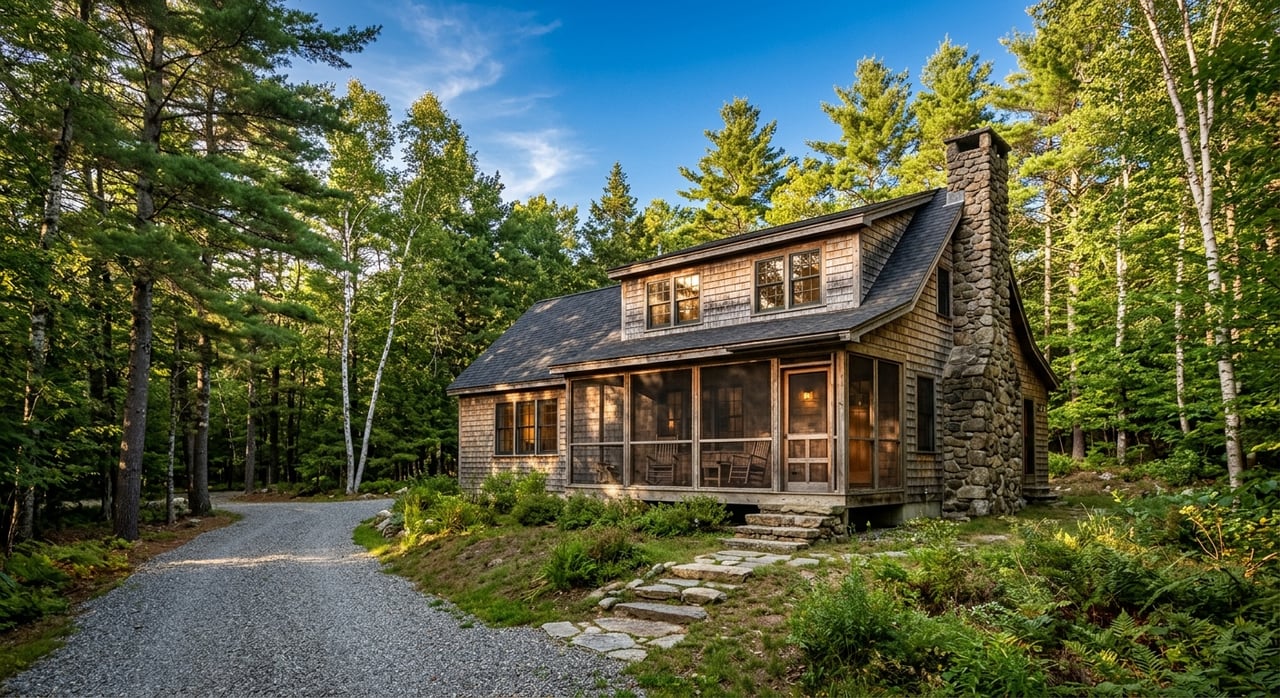
What It’s Like To Own A Cabin In Manitowish Waters
Dreaming about a cabin in Manitowish Waters usually starts with the view, but ownership here is about much more than a few summer weekends on the lake. If you are thinking about buying a place in the Northwoods, you want to know what day-to-day ownership actually feels like, what costs to expect, and what details matter before you commit. This guide will walk you through the rhythm of cabin life in Manitowish Waters, from four-season use to upkeep, rules, and buyer fit. Let’s dive in.
Manitowish Waters is a very small town in northwestern Vilas County, with a 2025 population estimate of 636 residents. That small scale is part of the appeal. It feels less like a dense residential community and more like a retreat built around lakes, woods, and time outdoors.
The town describes itself as a quiet Northwoods destination for vacations, reunions, romantic getaways, hunting and fishing trips, and day visits. That identity matters if you are considering ownership here. You are not just buying a structure. You are buying into a slower, seasonal rhythm.
A lot of buyers picture peak summer first, and for good reason. Local properties and marinas highlight the things many cabin owners want most: docks, beaches, boat access, pontoon rentals, kayaking, canoeing, firepits, and fish-cleaning space.
Still, summer is only part of the story. Manitowish Waters is marketed and used as a year-round destination, and that changes what ownership looks like in practical terms. If you buy here, it helps to think about how you will use the property in every season, not just in July.
Summer in Manitowish Waters often centers on the water. Depending on the property, that could mean boating from your dock, paddling nearby waterways, swimming from shore, or ending the day around a firepit.
The area also supports active use beyond the lake itself. The town bike trail connects downtown with Rest Lake Park, Boulder Junction, Mercer, and the broader Heart of Vilas County trail system, which spans more than 45 miles. For many owners, that means the cabin becomes a basecamp as much as a getaway.
In many vacation markets, shoulder season can feel quiet. In Manitowish Waters, spring and fall still play a real role in the ownership experience.
The local visitors bureau promotes cranberry tours and fall color tours, which reflects how the area draws people beyond peak lake season. Spring has its own slower reset, as the town moves past winter and mud season toward summer. If you enjoy peaceful weekends, changing scenery, and fewer crowds, these seasons can be some of the most rewarding times to own.
Winter is not an off-season footnote here. It is built into the local identity, with winter recreation and snowmobiling promoted as part of normal life in the area.
That means a cabin in Manitowish Waters may be used much more like a four-season home than a simple summer cottage. It also means you should expect winter-related responsibilities, such as heating, snow access, and plowing, as part of regular ownership planning.
If you picture every cabin here as a small, rustic getaway, the market may surprise you. Current listing snapshots show a wide range of property types, including chalet-style homes, waterfront properties, lake-view homes, and condo-style units with deeded dock slips.
Size varies just as much as style. Listings range from a 716-square-foot one-bedroom cabin to homes of more than 4,000 square feet, including luxury compounds. That variety is helpful because it gives buyers more ways to match their budget, goals, and preferred level of maintenance.
Manitowish Waters is a niche market, and that affects how you shop. Realtor.com’s October 2025 local market report described it as a seller’s market, with homes selling around asking and only 12 homes in that reporting slice.
In plain terms, you may not have many options at one time. If you are looking for a very specific combination of lake frontage, privacy, guest space, and seasonal usability, patience and preparation matter.
One of the biggest differences between buying a cabin and buying a standard primary home is the land itself. In Vilas County, shoreland areas are regulated, and waterfront parcels come with more restrictions than inland lots.
That matters because buyers often dream about customizing the shoreline right away. In reality, certain changes may be limited or require approvals.
Vilas County regulates activities such as shoreline clearing, grading, some tree removal, and certain land disturbance near the water. The ordinance also does not allow new artificial beaches on shorelines.
So if you are touring a cabin and thinking about opening up the lake view, reworking the slope, or changing the feel of the shore, those plans should be part of your due diligence. A waterfront lot may offer amazing access, but it also comes with rules designed to protect the shoreline.
Boathouses can be appealing, especially if you want storage right at the water. But in Vilas County, a boathouse is a storage structure, not a guest cottage.
Under the county ordinance, new boathouses have size and use limits and cannot be used for human habitation or fitted with plumbing or kitchen facilities. If a property’s waterside structure is part of the appeal, it is important to understand what that structure can legally be used for.
The monthly payment is only one part of the budget. In a four-season lake market like Manitowish Waters, ownership often includes a wider set of recurring costs than buyers expect.
A realistic budget may need room for property taxes, heating, snow removal, dock and shoreline upkeep, insurance, and wastewater-system work. These costs can vary by property, but they are part of what makes second-home ownership different from owning a typical in-town house or condo.
Private onsite wastewater treatment is a normal part of Wisconsin cabin ownership. The Wisconsin Department of Safety and Professional Services notes that the POWTS program protects public health and waters, while counties handle inspections.
For you as a buyer, that makes septic condition an important due-diligence item. It can affect both short-term comfort and long-term replacement planning, so it is worth understanding early in the process.
In Manitowish Waters, the best buying decisions usually come from asking the right practical questions. A cabin can be beautiful and still be the wrong fit if it does not support how you actually plan to use it.
Here are some of the most useful questions to ask:
These questions may sound simple, but they often matter more than finishes or staging. In a seasonal market, function and long-term fit carry real weight.
The best-fit buyer is usually someone who wants a retreat and understands that retreat living still involves maintenance. Manitowish Waters is especially appealing if you expect to use your property across multiple seasons instead of only at peak summer.
That can look different for different buyers. For some, it means a classic family cabin with dock access and repeat summer traditions. For others, it means a quieter, year-round base for biking, paddling, skiing, hiking, and weekends away from city pace.
Owning a cabin in Manitowish Waters often feels like having a standing invitation to slow down. You trade some convenience for space, scenery, and a stronger connection to the seasons.
At the same time, this is not a purely carefree purchase. The right property should match your lifestyle, your maintenance comfort level, and your expectations for waterfront use, guest space, and future improvements.
If you are considering a cabin here, the smartest move is to look beyond the postcard view and understand how the property will live over time. When you do that well, Manitowish Waters can offer the kind of Northwoods ownership experience that keeps drawing people back year after year.
If you are exploring cabins or second-home opportunities in Manitowish Waters, Collective Real Estate Group can help you evaluate the lifestyle, property details, and local market factors that matter most.
Whether it’s your very first or the one you’ve always dreamed of. We will work hard for you, listen carefully to your needs, and stay committed to finding the right home for you.
Middleton Office
6650 University Ave
Middleton WI 53562
Oregon Office
110 N Main St
Oregon WI 53575
Manitowish Waters Office
13008 Alder Lake Rd
Manitowish Waters WI 54545