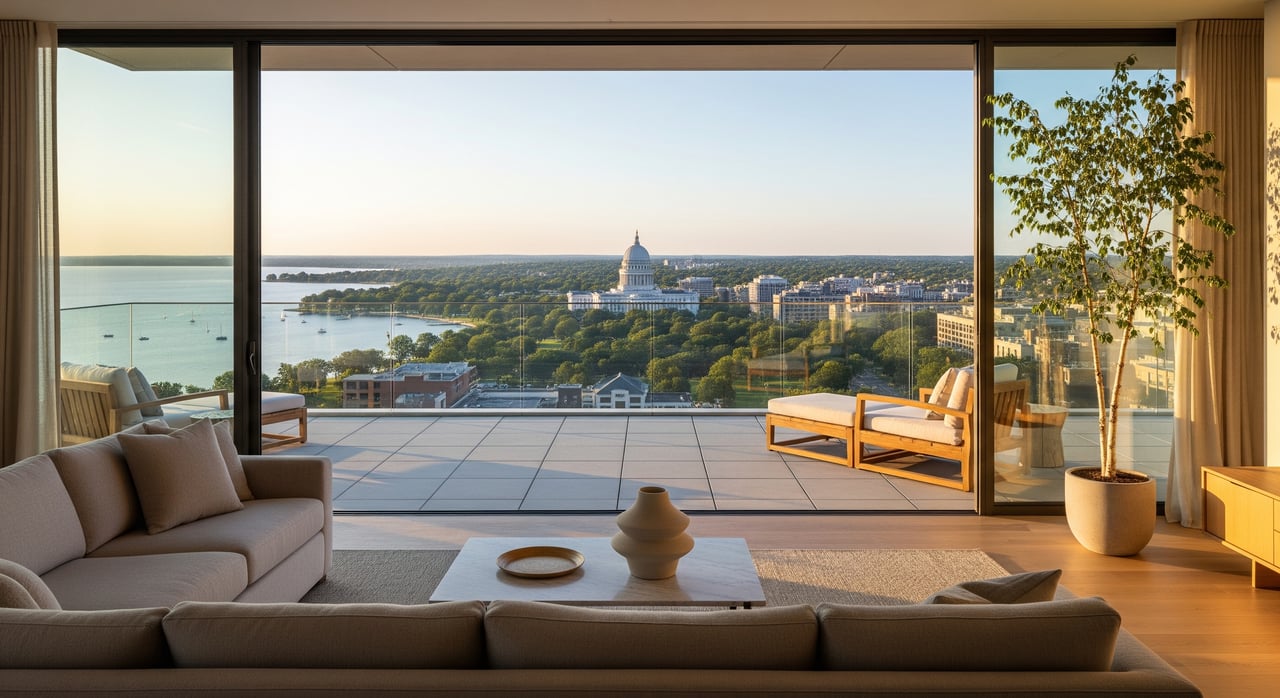
What It’s Like To Live On The Madison Isthmus
Two lakes on either side. The Capitol just a few blocks away. If you imagine starting your day with coffee, a lakeside run, and a short walk to work, the Madison isthmus might be your perfect fit. You want an urban lifestyle without giving up the outdoors, plus an efficient condo that keeps life simple. In this guide, you’ll learn how daily life works on the isthmus, what you can buy, how to get around, and smart tips for a smooth condo search. Let’s dive in.
Picture this: you step out of your building, grab a latte on State Street, loop the shoreline path for a quick run, then walk to your office near Capitol Square. After work, you meet friends for dinner and still have time for sunset by the water. That small-radius lifestyle is the isthmus in a nutshell.
Most of what you need is close. Groceries, gyms, cafes, theaters, and parks sit within a short walk or bike ride. Many residents find a car becomes optional because walking, biking, buses, and rideshare handle most days with ease.
You’ll explore a compact set of downtown neighborhoods. Each has a distinct feel and mix of homes:
A city neighborhood map will help you orient buildings and parks as you compare locations.
Housing on the isthmus is varied for such a small area:
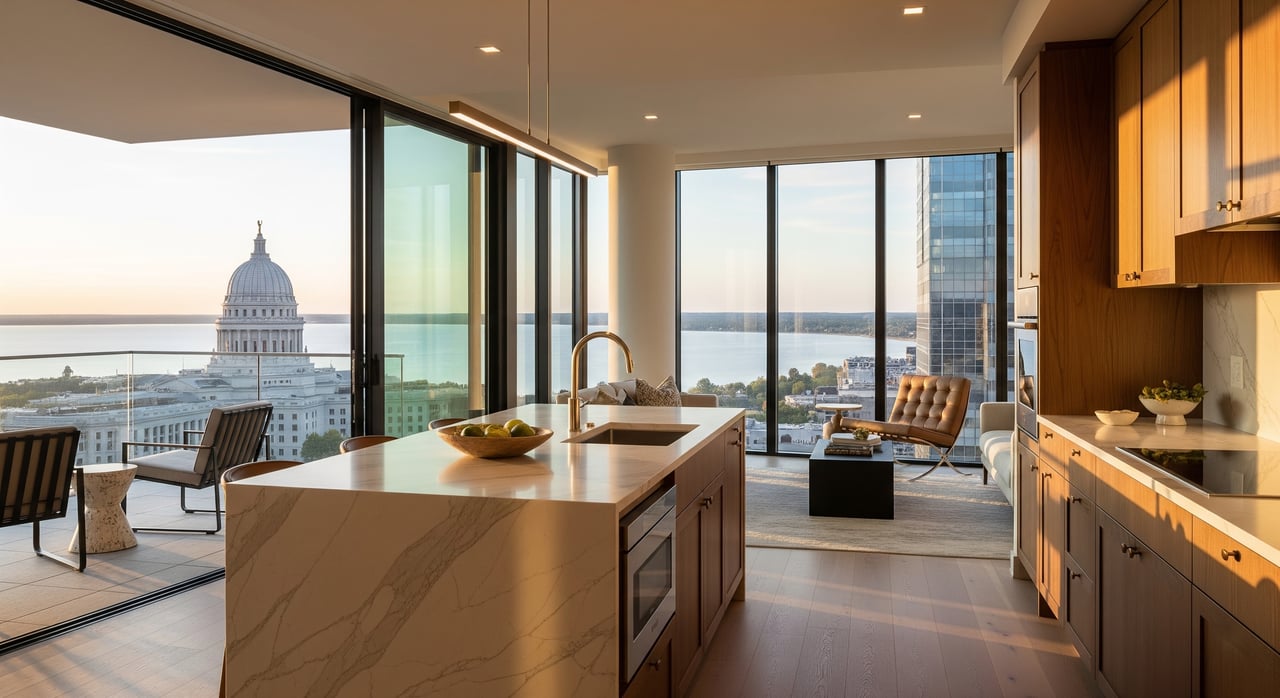
You can expect a location premium compared with the city at large. Walkability, water access, and views drive value. Units with direct lake frontage or Capitol views often sit at the top end. Entry-level condo options exist, though they tend to trade space and parking for location. Luxury lakeside buildings command higher prices with finishes, amenities, and view lines.
Instead of focusing on a fixed median, use today’s listings and recent sales to gauge tiers: compact studios and one-bedrooms at the entry level, mid-tier two-bedrooms with parking, and high-end suites with premium views. Your agent can help you compare apples to apples across buildings.
Buying a downtown condo is different from buying a single-family home. Plan to review these items closely:
The isthmus is built for short, sustainable trips. Many residents walk to the Capitol, State Street, and office corridors. The bike network is dense, with marked lanes and multi-use paths connecting lakes, parks, and neighborhoods. Madison Metro Transit runs frequent routes with hubs downtown, and paratransit and rideshare fill in the gaps.
Commutes to major employers such as the State Capitol, UW–Madison, and nearby hospitals are typically short. Many downtown residents report commutes often under 20 minutes by bike or car.
Street parking near the core is metered or permit-based. Private garages and covered parking are limited and can be costly. Many condos include parking options for an added fee, though guest parking may be tight during peak times and events. Plan for parking as part of your building choice.
Traffic is moderate by big-city standards but expect rush-hour slowdowns and event surges, especially around the Capitol and State Street.
When you fly, Dane County Regional Airport is reachable by car in roughly 15 to 30 minutes depending on traffic. There is no commuter rail serving downtown. For regional trips, driving remains the primary option.
State Street and the Capitol Square form the spine of the dining and arts scene. You’ll find independent restaurants, coffee shops, and a mix of casual and fine dining. The Overture Center for the Arts anchors concerts, theater, and touring shows. Smaller venues and local theaters add live music and performance options all year.
The Dane County Farmers’ Market circles the Capitol on weekends for much of the year. It is a producer-only market, which gives you direct access to regional growers and makers.
Lake Mendota and Lake Monona are your backyard. James Madison Park, Tenney Park, and shoreline greens offer beaches, trails, and picnic spots. Non-motorized water sports are popular. You can kayak, paddleboard, or sail when conditions allow, and you will see skaters and ice fishing in winter if the ice is safe.
A lakeshore loop connects to the broader bike network, which makes it easy to turn a quick ride into a longer workout. Seasonal change is part of the appeal. Summer brings water and festivals, fall offers crisp lake views, and winter delivers a peaceful, local feel.
Downtown runs on events. Expect busy weekends during the farmers’ market, parades, and festivals around the Square. Political rallies happen periodically. Late fall and winter tend to feel calmer and more neighborhood-focused.
You will find several grocery options within or near downtown, including co-ops, regional grocers, and specialty markets. Major healthcare providers have facilities downtown or close by. Most errands are manageable on foot or by bike.
Vibrant nightlife is part of the trade-off. Streets near State Street and the Square can be noisy late at night, especially on weekends and during festivals. If you are noise-sensitive, look for buildings with interior orientation, better glazing, and distance from late-night venues.
You will likely love it here if you value location and time savings more than square footage. Profiles that tend to thrive include:
Use this quick checklist to stay focused:
If the isthmus lifestyle speaks to you, the next move is to tour buildings that match your priorities. Focus on a few neighborhoods, sample units across price tiers, and compare building financials and parking options. A consultative agent can help you weigh trade-offs like view versus square footage or parking versus price.
Ready to explore? Connect with the local team at Collective Real Estate Group for a guided search, building-by-building insights, and a buying plan tailored to your goals.

Whether it’s your very first or the one you’ve always dreamed of. We will work hard for you, listen carefully to your needs, and stay committed to finding the right home for you.
Middleton Office
6650 University Ave
Middleton WI 53562
Oregon Office
110 N Main St
Oregon WI 53575
Manitowish Waters Office
13008 Alder Lake Rd
Manitowish Waters WI 54545