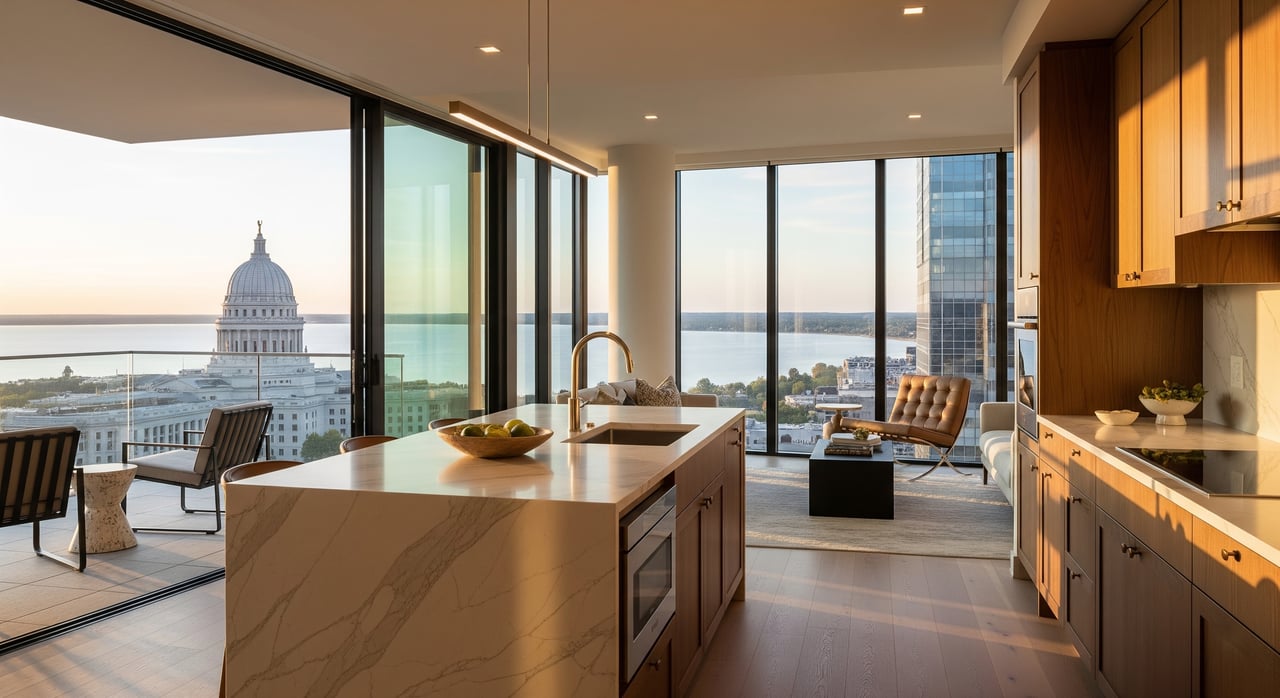
Buying A Condo In Downtown Madison: What To Know First
Is walkable living near the Capitol and the lakes calling your name? If you’re eyeing a condo in downtown Madison, you’re not alone. You want the lifestyle, but you also want to buy smart, avoid surprises, and feel confident on closing day. In this guide, you’ll learn how downtown condo buying works, what to look for in an association, how financing and insurance differ from a house, and the practical details that shape daily life on the Isthmus. Let’s dive in.
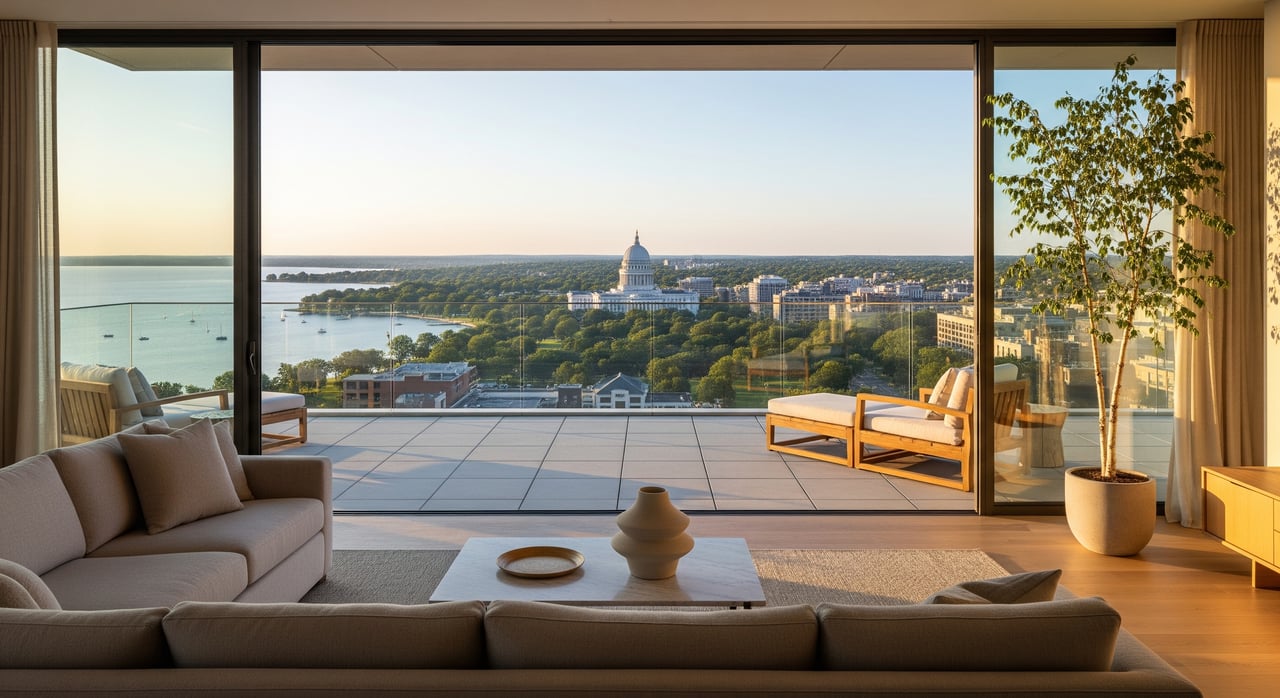
Life between Lakes Mendota and Monona puts you close to the Capitol, UW–Madison edges, major employers, arts, and dining. Many buildings offer fitness rooms, rooftop spaces, and secure entries. You can often walk to work and bike to the lake. If you want convenience and a vibrant scene, a condo here can be a great fit.
There are trade-offs. Parking can be limited or an added expense. Monthly association fees vary and may be higher in amenity-rich buildings. Urban energy brings noise from nightlife or festivals. Private outdoor space is less common than in single-family homes. If you understand these dynamics upfront, you can choose the right building and unit for your lifestyle.
Buying a condo means you are purchasing a unit plus a share of the common elements. You will live by the condominium’s recorded documents and the association’s rules. This structure protects shared property, but it also adds due diligence steps you would not have with a single-family home.
Request and read these before you go firm on your offer:
These documents tell you what you own, what you pay for, and what risks may be ahead. They also reveal building projects in the pipeline and how well the association plans for long-term maintenance.
Monthly fees typically fund building insurance, common area upkeep, exterior maintenance, elevators, landscaping, trash, water or sewer in some cases, professional management, security, and reserves. Buildings with pools, fitness centers, or concierge services often have higher dues. Pay for what you will actually use.
Be alert to:
Ask how the board is structured and whether a professional manager runs day-to-day operations. Confirm rules for rentals, pets, parking, quiet hours, and renovations. In older downtown or historically sensitive buildings, exterior changes may require local review, which can affect timelines and costs.
Your lender evaluates you and the project. Even if your personal finances are strong, a building with weak reserves or high rental concentration can affect loan approval or terms.
Conventional loans often follow Fannie Mae or Freddie Mac project standards. Owner-occupancy thresholds, reserve funding, insurance coverage, and litigation status can determine whether a project is considered warrantable. Government-backed loans like FHA or VA have separate project approval processes. If you plan to use these programs, verify project eligibility early. If a building is not approved, conventional financing may still be an option.
Expect the lender to ask for association financials and insurance details. Gathering these documents can add time, so start early.
The association’s master policy usually covers the building shell and common areas. Your HO‑6 condo policy should cover interior finishes, personal property, and personal liability. Ask about the association’s deductible and whether owners can be assessed for a share of large losses. Adding loss-assessment coverage to your HO‑6 can help protect you from that scenario.
Some condos include deeded garage spaces. Others offer assigned stalls for a fee or have no on-site parking. Downtown street parking is often metered, and some areas use residential permits. The City of Madison Parking Utility manages municipal ramps and permits. If you commute by car, confirm where you will park, what it costs, and whether there is a waitlist.
If you do not need a daily parking spot, you can lean on Metro Transit, bike paths, and carshare where available. Storage for bikes can be a big plus in urban buildings, so check for secure racks or cages.
Amenities are great when you use them. They also add to monthly dues. A smaller, well-managed building without a pool can have lower fees than a tower with extensive facilities. Confirm exactly what your fees cover and whether utilities like water or sewer are included.
Central locations can mean music, bar noise, or festival activity. Ask about construction quality and window type. Check quiet hours and renovation rules. Learn the process for scheduling contractors and whether proof of insurance is required for in-unit work.
Resale value in downtown Madison often tracks with location, walkability, and proximity to the Capitol, UW, and major employers. Building age and condition, recent upgrades to common spaces, and the strength of association management matter. Parking can be a significant value driver. Fees should be in line with similar buildings for the amenities provided.
Healthy reserves, professional management, and transparent governance help units sell more easily. Rental rules can expand or narrow your buyer pool. If the building allows short-term rentals or has high investor concentration, understand how that affects future financing and demand.
Check the declaration and rules before you rely on rental income. Some associations cap rentals or require minimum lease terms. Short-term rentals may be restricted or prohibited. High investor ratios can also impact financing for future buyers, which can affect resale.
Unit upgrades can increase appeal. In condos, there are limits. Electrical capacity, shared plumbing chases, and building HVAC may restrict what you can change. Confirm the association’s process for approvals and permits so your work stays compliant and covered by insurance.
A great condo search blends lifestyle fit with careful analysis of the building. You want an agent who knows downtown associations, can spot reserve and budget red flags, and will coordinate early with your lender. A smooth path to closing often comes down to document review and timing.
Collective Real Estate Group offers a consultative, local approach tailored to downtown Madison. You get guidance rooted in real market experience, clear next steps, and support from offer through closing. If you are comparing buildings or weighing financing paths, let’s talk about a plan that fits your budget and lifestyle. Connect with the team at Collective Real Estate Group to get started.

Whether it’s your very first or the one you’ve always dreamed of. We will work hard for you, listen carefully to your needs, and stay committed to finding the right home for you.

Middleton Office
6650 University Ave
Middleton WI 53562
Oregon Office
110 N Main St
Oregon WI 53575
Manitowish Waters Office
13008 Alder Lake Rd
Manitowish Waters WI 54545